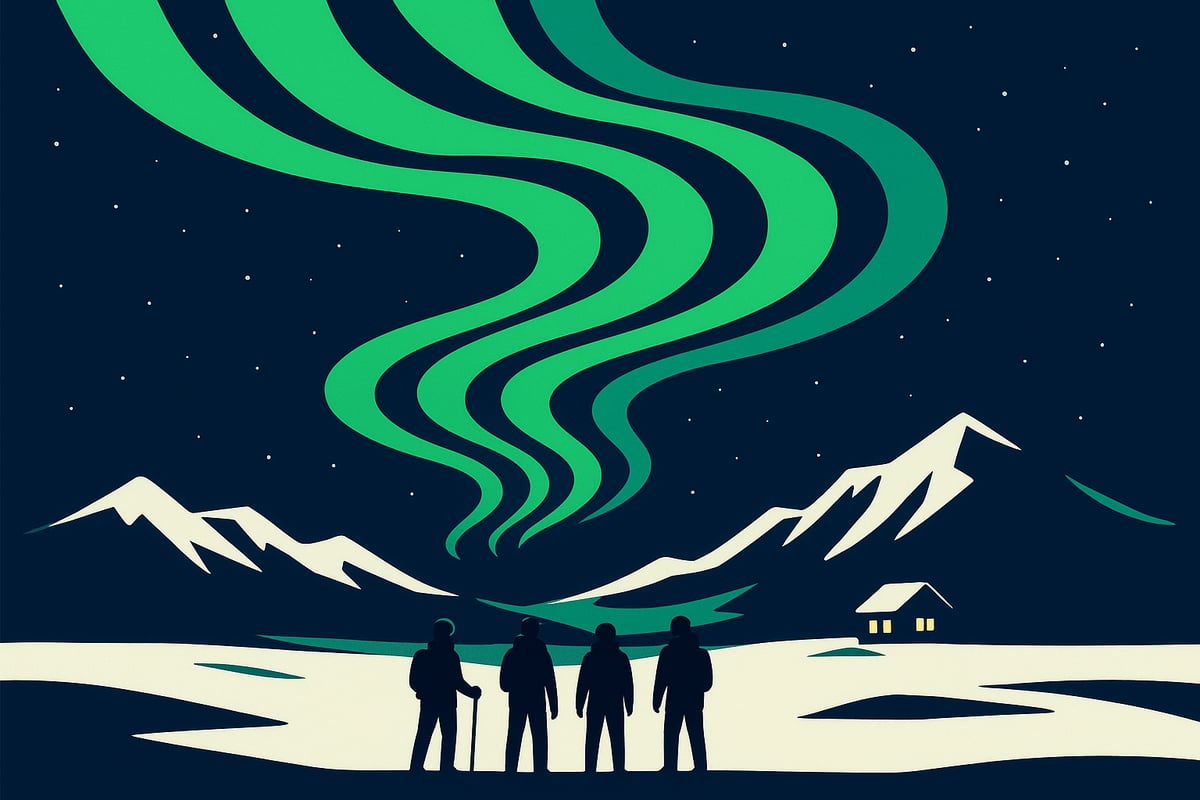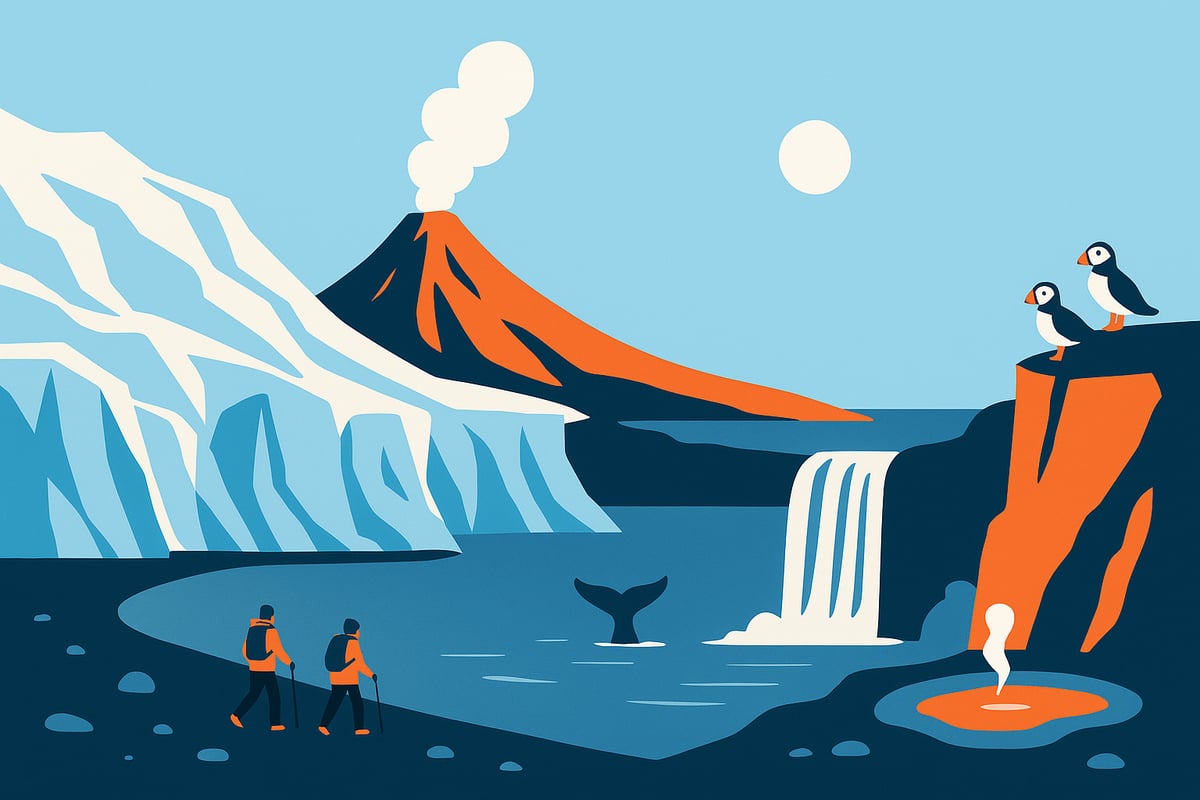
Picture yourself standing beneath the swirling Northern Lights, surrounded by sparkling snowfields and ancient volcanoes cloaked in white. Ice caves shimmer with blue light, and every breath feels crisp and alive. This is the magic of iceland in winter.
In this 2026 guide, you’ll discover how to unlock unforgettable adventures, from exploring glaciers to soaking in steaming hot springs. Whether you crave wild landscapes or cozy city life, this guide empowers you to make the most of every moment.
Inside, you’ll find everything you need—weather insights, thrilling activities, cultural gems, planning advice, and local secrets. Let’s dive in and start your journey to the heart of Iceland’s winter wonderland.
Understanding Iceland’s Winter: Weather, Daylight, and Conditions
Imagine stepping into a world where glaciers breathe, waterfalls freeze mid-cascade, and the sun hovers low, bathing the land in a blue twilight. That’s the spell of iceland in winter. Before you pack your bags, let’s unravel what truly awaits during these magical months.
What Defines Winter in Iceland?
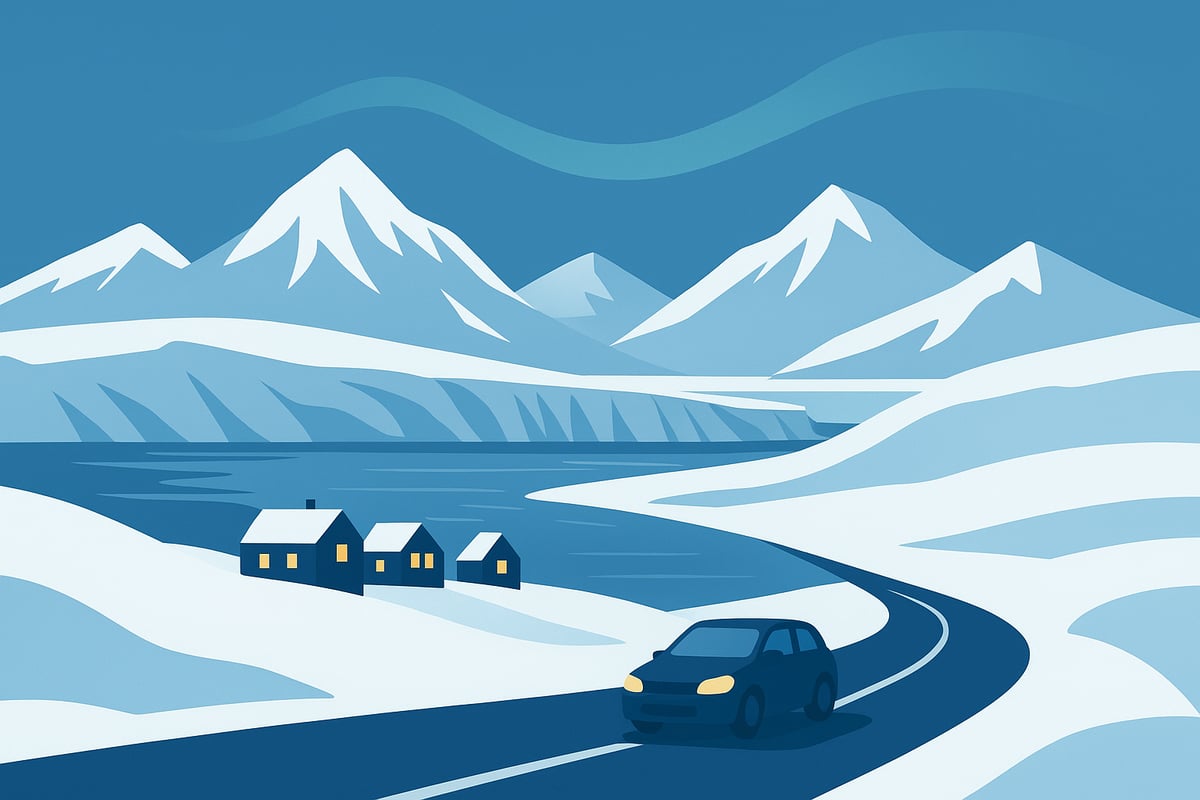
Winter in Iceland begins its quiet transformation in November and stretches through March, though old Norse traditions sometimes consider late October to April as the full winter span. Picture Reykjavik, where average temperatures hover between 0.6°C (33.1°F) and 4.9°C (40.8°F), while rural valleys and highlands often feel several degrees colder. Each month brings fresh blankets of snow, with Reykjavik receiving 17 to 23 cm (6.7 to 9 in) monthly, and March often claims the snowiest prize.
But iceland in winter is not a land of endless night. Even on December 21, the shortest day, Reykjavik enjoys over four hours of daylight, with sunrise at 11:22 and sunset at 15:29. Glaciers swell and shimmer, reshaping the landscape into a world of frosted volcanoes and ice caves. If you’ve heard tales of perpetual darkness, rest easy—there is always a dawn and a dusk, painting the snow in soft, surreal colors.
Here’s a quick snapshot of winter stats:
| Month | Avg Temp (°C) | Snowfall (cm) | Daylight (hrs) |
|---|---|---|---|
| December | 0.6 | 19 | 4–5 |
| January | 0.9 | 22 | 5–7 |
| March | 2.8 | 23 | 10+ |
This rhythm of cold and light is what makes iceland in winter a true marvel.
Weather Realities and What to Expect
Step outside, and you’ll feel the crisp bite of arctic air, mingled with the thrill of unpredictable weather. Snow is frequent, especially beyond Reykjavik and in elevated regions. Storms can sweep in with little warning, bringing gusty winds and icy roads. One moment, you might be exploring a peaceful village, the next, bundled inside as a squall passes through.
The contrast between city and countryside is striking. Urban Reykjavik glows with cozy cafés and festive lights, while rural communities huddle together, turning long nights into gatherings of warmth and storytelling. It’s important to remember that only June through September are reliably snow-free in Reykjavik, so prepare for winter’s embrace if visiting any other time.
Daylight grows rapidly after New Year’s, stretching from four hours to ten by March. That means every day in iceland in winter offers a little more time for adventure. Still, outdoor plans should align with the day’s limited sun and the ever-shifting forecast. Locals become experts in adapting, and travelers find magic in this dance with nature.
Driving and Getting Around in Winter
Traveling across iceland in winter is both enchanting and challenging. Main roads, like the famous Ring Road, are kept in good condition, and Icelanders drive confidently all year. Yet, the weather can turn quickly—sudden storms, icy patches, and road closures are not uncommon, especially in the highlands.
If you’re planning to drive, rent a vehicle equipped for winter, ideally with 4WD and studded tires. Always check the Safe Winter Driving in Iceland guide, as well as local weather and road updates before setting out. Stick to major routes, avoid highland tracks unless you’re very experienced, and allow extra time for every journey.
The southern Ring Road is usually the most reliable, while remote routes may close for days. Many visitors choose guided tours instead, letting experts handle the logistics and weather so you can focus on the wonders outside your window. Whether you drive or ride, iceland in winter rewards those who respect its moods and move with patience.
Top Magical Adventures in Iceland’s Winter Wonderland
Imagine stepping into a world where fire and ice dance together under swirling green skies. That’s the promise of iceland in winter, a land transformed into a playground of natural wonders and thrilling adventures. Each experience offers its own magic, from the shimmering auroras overhead to the warmth of geothermal pools beneath the snow. Let’s discover the top adventures that turn iceland in winter into a true wonderland.
Chasing the Northern Lights
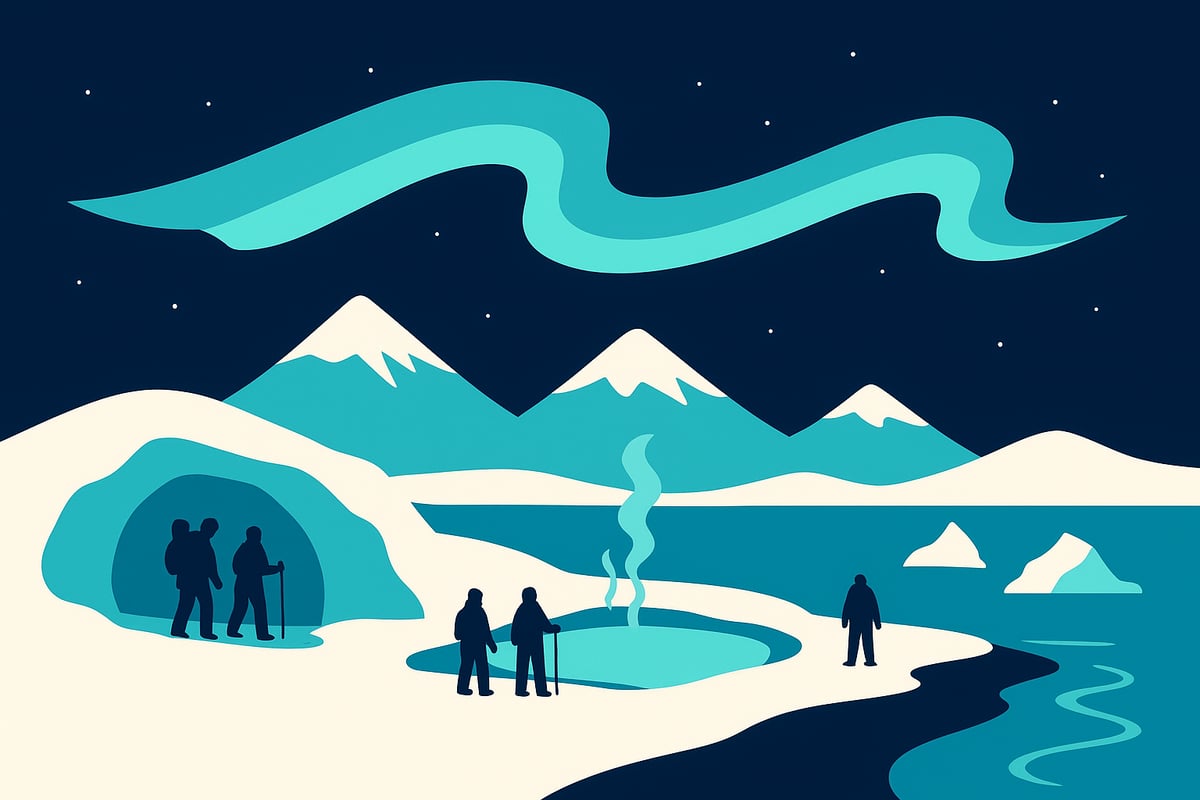
Every traveler dreams of witnessing the Northern Lights, and iceland in winter offers one of the world’s best front-row seats. On dark, clear nights from November to March, ribbons of green and purple light ripple across the sky. The science behind this spectacle is as magical as it looks—charged solar particles collide with Earth’s atmosphere, creating a cosmic light show.
Step outside Reykjavik, and the odds soar. The Seltjarnarnes Peninsula and the remote South Coast are favorite spots for aurora hunters. Small villages dim their lights, turning the darkness into a canvas for the aurora. Guided Northern Lights tour in Iceland take you to the best viewing areas and share insider tips, increasing your chances of a sighting.
There’s no guarantee, but the thrill is in the chase. Spend several nights in iceland in winter, and each evening brings a new opportunity to catch the aurora’s elusive dance.
Glacier Hiking and Ice Cave Exploration
Glaciers cover 11 percent of Iceland, and in winter, they reveal their secrets. Imagine crunching across ancient blue ice, the silence broken only by your footsteps. Vatnajökull, Sólheimajökull, and Snæfellsjökull become adventure playgrounds. Winter is the only time you can explore vibrant ice caves—nature’s cathedrals sculpted by time and temperature.
Certified guides lead you safely across crevasses and into crystal caves. Helmets and crampons are required, and small group tours mean personal stories and hands-on learning. Picture yourself inside a shimmering blue chamber, the ice glowing from within. This is iceland in winter at its most breathtaking.
Solheimajokull glacier hikes and Vatnajökull’s crystal caves are must-do experiences. The sense of awe is unforgettable, and every step connects you deeper to the land of fire and ice.
Soaking in Geothermal Hot Springs
After a day of icy adventure, nothing compares to slipping into a steaming pool as snowflakes drift down around you. Thanks to volcanic activity, iceland in winter is full of geothermal hot springs and outdoor pools. The Blue Lagoon, Sky Lagoon, and Secret Lagoon are world-famous, but local pools in Reykjavik offer a true taste of Icelandic life.
Soaking outdoors, you feel the contrast of heat and cold—muscles relax, and worries melt away. The mineral-rich waters are said to soothe body and soul, a natural reward after glacier hiking or Northern Lights chasing.
Hot springs are open year-round, and in iceland in winter, they’re less crowded, more peaceful. Bring a swimsuit, brave the chilly dash from changing room to pool, and let the geothermal magic work its wonders.
Exploring the Golden Circle in Winter
The Golden Circle is Iceland’s classic sightseeing route, and in winter, it takes on a new enchantment. Þingvellir National Park, a UNESCO World Heritage site, is dusted in snow, its rift valleys and frozen lakes glinting in the low sun. At the Geysir Geothermal Area, the Strokkur geyser erupts every few minutes, sending plumes of steam into the frosty air.
Gullfoss Waterfall thunders through icy cliffs, sparkling with frozen mist. Fewer tourists mean you can linger in silence, soaking up the landscape’s raw beauty. Guided tours simplify the journey, making the most of precious daylight.
Traveling the Golden Circle in iceland in winter feels like stepping into a storybook—each stop a new chapter, each vista more magical than the last.
South Coast Wonders: Waterfalls, Black Sand Beaches, and Glacial Lagoons
The South Coast is a highlight of iceland in winter, where elemental forces shape every view. Seljalandsfoss and Skógafoss waterfalls tumble through icy curtains, framed by snow-laden cliffs. Reynisfjara’s black sand beach is a surreal contrast to the white landscape, with basalt columns rising like ancient sentinels.
Jökulsárlón glacial lagoon glows with floating icebergs, and nearby Diamond Beach sparkles with crystal-clear ice fragments on volcanic sand. Winter brings unique wildlife encounters—seals basking on ice, arctic foxes darting through drifts, and seabirds soaring overhead.
Join a South Coast tour to experience these wonders in a single, unforgettable day. The memories you make here, in the heart of iceland in winter, will last a lifetime.
Unique Winter Activities: Snowmobiling, Snorkeling, and Whale Watching
For those craving adventure, iceland in winter offers thrills you won’t find anywhere else. Race across Langjökull and Mýrdalsjökull glaciers by snowmobile, the wind and snow flying past as you carve your own path across the ice. Dive into the Silfra fissure, where you can snorkel or even scuba between two continents in water so clear it feels otherworldly.
Winter whale watching is a surprise highlight—sperm whales, humpbacks, and orcas visit Icelandic fjords, and tours depart from Reykjavik and Akureyri. The cold air adds a sense of exclusivity and excitement to these experiences.
Whether you’re seeking adrenaline or tranquility, iceland in winter delivers adventures that awaken the senses and spark the imagination.
Icelandic Winter Culture: Festivals, Food, and Local Life
Step into the heart of Iceland in winter, where ancient legends mingle with modern festivities and every night feels like a storybook come to life. As snowflakes drift over Reykjavík, the warmth of Icelandic culture glows brighter than ever, inviting you to join in cherished traditions, savor comforting foods, and experience community like nowhere else.
Christmas and New Year’s Traditions
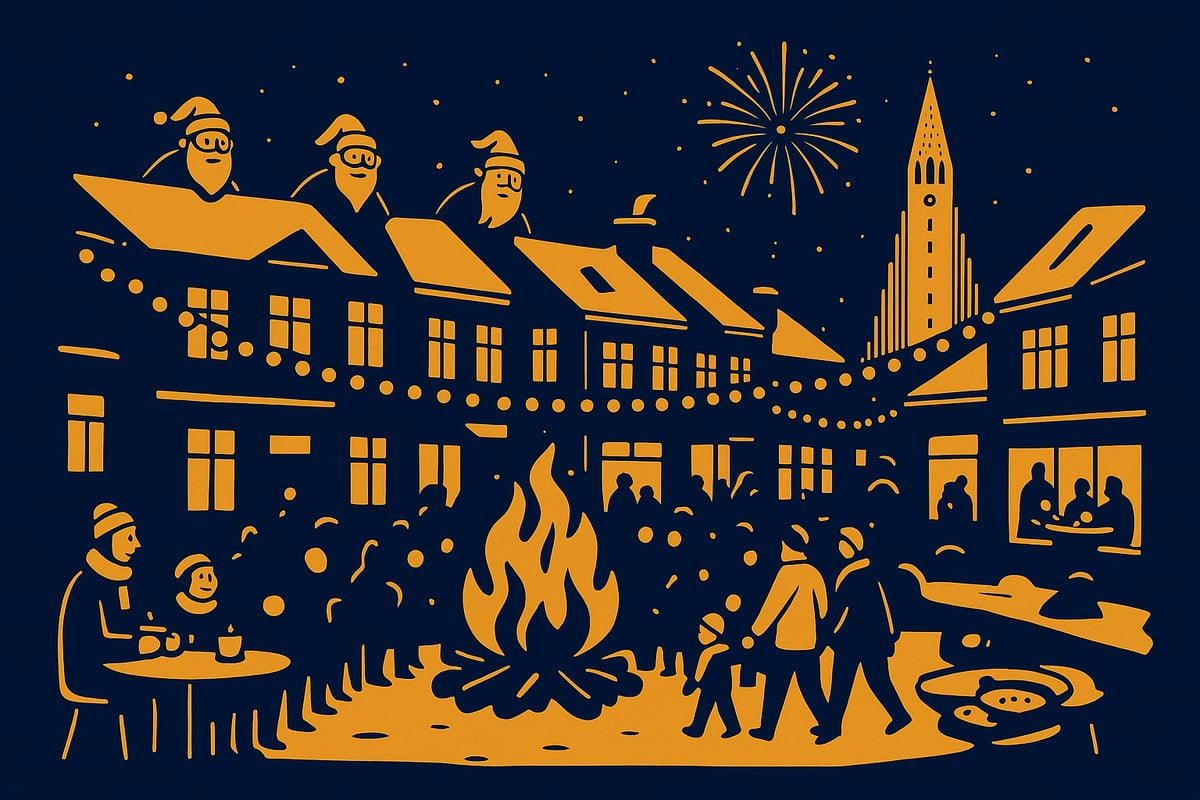
In Iceland in winter, the holiday season is truly magical. Imagine waking up to find a small gift in your shoe, left by one of the mischievous Yule Lads. These thirteen quirky figures visit homes in the days leading up to Christmas, each with their own personality and playful tricks. Children await their nightly visits, hoping for treats instead of potatoes.
The legendary Christmas Cat, a giant feline said to eat those who don’t receive new clothes, adds a quirky twist, encouraging kindness and generosity. Reykjavík glows with thousands of twinkling lights, chasing away the winter darkness. Families gather for the beloved Jólabókaflóð, the Christmas book flood, where gifting and reading books by candlelight is a cherished ritual.
New Year’s in Iceland in winter bursts with excitement. Massive bonfires light up neighborhoods, drawing friends and strangers together for songs and stories. As midnight nears, fireworks fill the sky, painting Reykjavík in vibrant colors and echoing across the snow. These traditions root the season in joy, community, and a touch of folklore magic.
Reykjavík in Winter: Urban Adventure
Reykjavík, the beating heart of Iceland in winter, transforms into a cozy haven. Step into a café, where locals sip hot chocolate, knit woolen mittens, and share tales of old. The city’s nightlife comes alive as snow falls, with live music echoing from intimate venues and laughter spilling from brightly lit bars.
Must-see landmarks dot the frosty skyline. Hallgrímskirkja, with its striking silhouette, offers panoramic views over the snow-dusted city. Perlan’s glowing dome hosts exhibitions and a magical ice cave, while Harpa concert hall sparkles on the waterfront, its glass façade reflecting the city lights.
Strolling down Laugavegur and Skólavörðustígur, discover shops brimming with Icelandic wool, handmade crafts, and quirky souvenirs. Hungry? Try harðfiskur, a chewy dried fish snack, or hangikjöt, smoked lamb that’s a winter staple. The Winter Lights Festival in February transforms Reykjavík into a wonderland of art installations, light shows, and cultural events, proving that Iceland in winter is as vibrant as it is peaceful.
Local Life and Indoor Experiences
When the cold bites, locals know how to keep spirits high. Geothermal pools are social hubs in Iceland in winter. Steam rises from outdoor waters, where friends chat under the stars or even the faint glow of the Northern Lights. These pools are more than just relaxation—they’re a cornerstone of daily life.
For those craving knowledge or creativity, Reykjavík’s museums offer immersive journeys. The National Museum tells Iceland’s story from Viking times to today. The Saga Museum brings legends to life with lifelike figures and dramatic scenes. Art galleries showcase both contemporary and traditional works, while music venues pulse with Icelandic melodies.
Don’t miss the chance to see an Icelandic horse show or a folklore performance. These events offer a window into traditions that endure, even as the world outside swirls with snow. Embracing indoor experiences is part of the rhythm of Iceland in winter, where every gathering feels like a celebration.
Seasonal Foods and Winter Cuisine
Iceland in winter is a feast for the senses. Hearty dishes warm the soul after a day in the snow. Picture a steaming bowl of lamb stew, rich with root vegetables, or freshly caught seafood served alongside dense, dark rye bread baked in geothermal earth.
Seasonal treats bring extra cheer. Crisp, decorative laufabrauð (leaf bread) appears on every table, while jólaöl, a special Christmas ale, is poured to toast the season. Many visitors join food tours to sample the best of Icelandic flavors, from tangy skyr to sweet kleinur pastries.
Reykjavík’s bustling food halls offer a world of choice, perfect for warming up and trying something new. The cuisine adapts to the demands of Iceland in winter, blending comfort, tradition, and innovation in every bite.
Winter Festivals and Events
Winter in Iceland is never dull. Þorrablót, a lively midwinter festival, brings people together for feasting, singing, and storytelling, featuring traditional foods that connect the present to the past. The Winter Lights Festival brightens Reykjavík each February, with dazzling light shows, art installations, and cultural performances.
These gatherings turn the darkest months into a season of joy. Community, creativity, and resilience shine through, making Iceland in winter unforgettable for every traveler.
Planning Your Iceland Winter Trip: Logistics and Essentials
Dreaming of experiencing Iceland in winter? The secret to a magical journey lies in the details. From timing your adventure to booking the perfect cozy lodge, every choice shapes your story. Let’s unlock the essentials for a seamless, unforgettable trip, one step at a time.
When to Visit: Choosing the Best Winter Month
The calendar plays a starring role when planning your journey to Iceland in winter. November to March offers the best chance for Northern Lights, icy adventures, and festive cheer. December wraps the island in holiday magic with twinkling lights and bustling Christmas markets.
January and February bring the coldest days, perfect for snow-dusted landscapes and thrilling outdoor activities. In March, daylight stretches longer, giving you more time to explore. Imagine chasing auroras under velvet skies, then waking to sunlit snowfields.
To make the most of iceland in winter, match your travel dates to your top priorities, whether that’s witnessing the aurora, joining a festival, or hiking a glacier.
What to Pack for Iceland in Winter
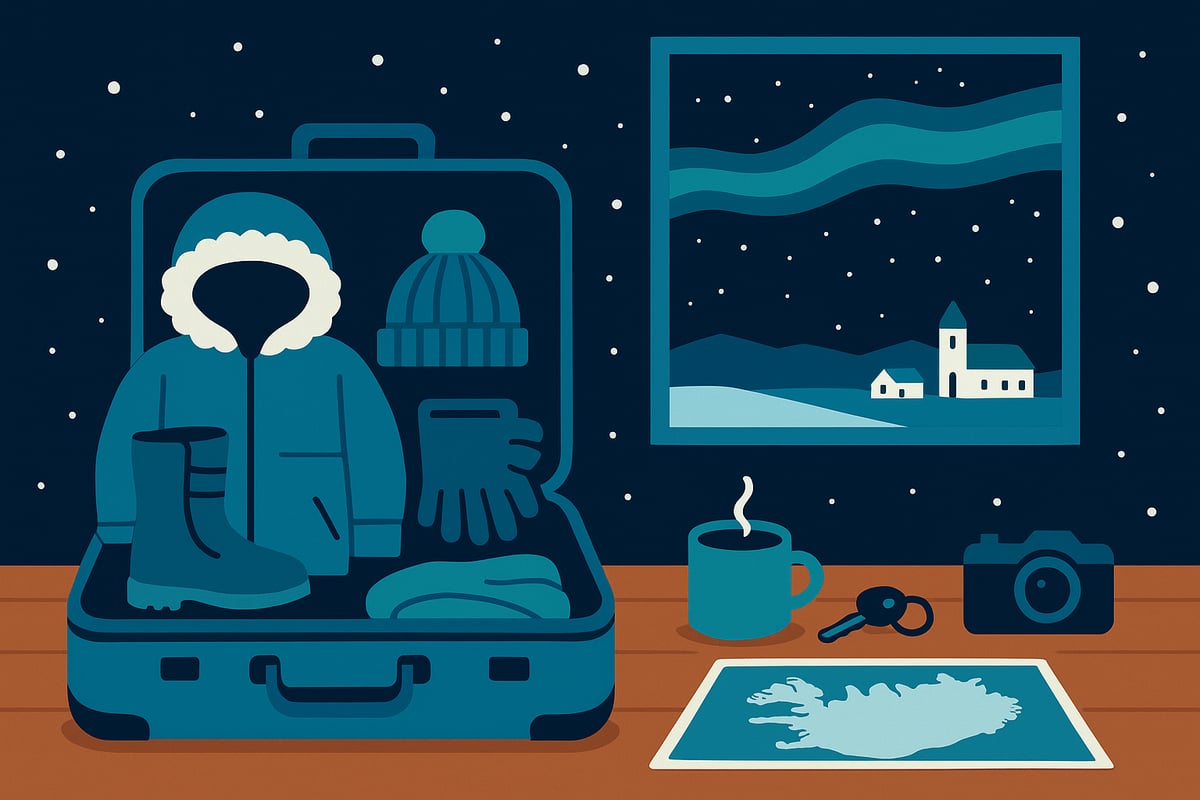
Packing for iceland in winter is an art. Layer up with a thermal base, a cozy fleece, and a waterproof shell. Insulated boots, wool socks, and sturdy gloves keep your extremities warm. Don’t forget a hat that covers your ears and a scarf to block the wind.
A swimsuit might seem odd, but it’s essential for geothermal pools. Sunglasses protect your eyes from the sun’s reflection off the snow. Crampons or ice grips help you walk safely on icy paths.
Local guides swear by wool over cotton for warmth and comfort. With the right gear, you’ll embrace every snowy adventure Iceland in winter throws your way.
Accommodation: Where to Stay
Finding the right place to rest is part of the adventure in iceland in winter. Reykjavik offers stylish hotels, friendly guesthouses, and boutique gems. For a more secluded experience, try rural farm stays, cabins, or lodges nestled in snowy landscapes.
Booking early is wise, especially around holidays and peak aurora season. Many rural accommodations feature Northern Lights wake-up calls, so you never miss a show. Some lodges are perfectly placed for glacier tours or ice cave excursions—imagine stepping outside your door into a frozen wonderland.
For a truly unique stay, consider a lodge near the South Coast, giving you easy access to Iceland Ice Cave adventures and glacial lagoons.
Getting Around: Transportation Options
Exploring iceland in winter means navigating icy roads, snow showers, and ever-changing conditions. Rental cars with winter tires offer freedom, especially if you choose a 4WD. Guided tours are stress-free and let you focus on the scenery, not the steering wheel.
Domestic flights connect Reykjavik with regional hubs, while Flybus and shuttles make airport transfers easy. Always check the day’s weather and road status before setting out. Flexibility is your best friend, as winter surprises are part of the adventure.
If you love spontaneity, guided tours can whisk you to waterfalls, lagoons, and hidden gems without a worry.
Safety and Health Precautions
Safety is at the heart of every iceland in winter adventure. Monitor weather and road conditions each morning. Know the emergency number: 112. Guided tours add an extra layer of safety, with experts who understand the land.
Always tell someone your plans before heading into the wild. Pack a basic first aid kit and keep your phone charged. Respect warning signs and closures—they’re there to protect you. With a little preparation, you’ll enjoy Iceland in winter’s wild beauty with peace of mind.
Sustainable and Responsible Winter Travel
Traveling responsibly in iceland in winter means leaving nature as you found it. Stick to marked paths, avoid off-road driving, and respect wildlife. Support local businesses and choose eco-certified tours when possible.
Bring a reusable water bottle and minimize waste. Iceland enforces strict environmental laws to keep its landscapes pristine. Every small action helps preserve the magic of iceland in winter for future explorers.
Insider Tips for an Unforgettable Iceland Winter Experience
If you want your adventure in iceland in winter to be truly magical, a little insider knowledge goes a long way. These practical tips, drawn from local wisdom and traveler experiences, will help you embrace the season's wonders safely and confidently. From chasing the aurora to savoring local culture, here's how to make your journey unforgettable.
Maximizing Northern Lights Sightings
Catching the Northern Lights is a highlight for anyone visiting iceland in winter. Start by checking the aurora forecast on vedur.is each evening. Clear, dark skies away from city lights offer the best chance—consider heading to places like Seltjarnarnes Peninsula or Þingvellir National Park.
Dress in warm, layered clothing to stay comfortable while waiting. Patience is key, as the aurora can appear suddenly or not at all. Book a guided tour for expert advice and local insights. Remember, the more nights you spend outside, the higher your chances of witnessing the lights dance across the sky.
Making the Most of Short Days and Long Nights
During iceland in winter, daylight hours are precious. Plan your outdoor adventures early in the day to maximize sunlight. Bundle up and set out at sunrise, even if that's late in the morning, to fit in as much as possible. Reserve evenings for chasing the aurora or exploring Reykjavik’s cozy cafés and museums.
A great strategy is to combine several attractions into one guided tour, making the most of your time. Embrace slow mornings and relaxed evenings—this is a season for both adventure and hygge, Icelandic-style comfort.
Booking Tours and Activities in Advance
Popular experiences in iceland in winter, like ice cave tours, glacier hikes, and Northern Lights safaris, often sell out weeks ahead. Secure your spot by booking early, especially for small-group or private tours. This ensures you won't miss out on once-in-a-lifetime adventures.
For those eager to see waterfalls, black sand beaches, and glacial lagoons, consider joining a tour that covers South Coast winter highlights. Booking package deals can also help manage your budget and time efficiently.
Navigating Icelandic Weather and Road Closures
Weather in iceland in winter is famously unpredictable. Always check updates on road.is and vedur.is before heading out. Sudden snowstorms or icy conditions can close roads quickly, especially in rural areas.
Have backup plans in case of delays. Stick to main routes, like the Ring Road, and avoid highland roads unless you are an experienced winter driver. Consider guided tours if you want to relax and let experts handle the logistics, especially when conditions are challenging.
Budgeting for Winter Travel
Traveling to iceland in winter can be surprisingly affordable compared to summer, but costs can still add up. Save money by booking guesthouses or farm stays instead of luxury hotels. Dining in local cafés is often cheaper than eating at tourist hotspots.
Opt for public hot springs or local pools for a budget-friendly soak. Booking tours in advance and traveling in small groups can help you access discounts. Remember, some winter activities, like ice cave tours, may have a premium price but are truly worth the investment.
Photography Tips for Iceland in Winter
Photographing iceland in winter presents unique challenges and rewards. Cold weather drains camera batteries quickly, so bring extras and keep them warm in your pockets. Use a tripod for steady shots, especially when capturing the aurora or low-light landscapes.
Protect your gear from snow and moisture with waterproof covers. Take advantage of the dramatic golden hour, which offers soft, diffused light for stunning images. Snow and ice create beautiful contrasts, making even familiar sights look magical.
Embracing Icelandic Hospitality and Local Guidance
The heart of iceland in winter lies in its warm hospitality. Engage with locals, whether at a geothermal pool or a small-town café. Icelandic guides enrich tours with folklore, personal stories, and safety tips that you won’t find in guidebooks.
Join food tours, music nights, or storytelling sessions to experience authentic culture. Don’t hesitate to ask for recommendations—locals are proud to share their love for the island and can help you discover hidden gems. Trusting local expertise makes your journey safer, richer, and more memorable.
After reading about Iceland’s enchanting winter—from snowy volcanoes to the vibrant culture that warms the darkest nights—you might be picturing yourself standing under a sky painted with swirling green and pink lights. Trust me, there’s nothing quite like watching the Northern Lights dance above a frozen landscape, surrounded by stories and laughter shared with fellow travelers. If you’re ready to make that dream a reality, let Norse Adventures guide you to the heart of Iceland’s magic. Personal touches, expert guides, and unforgettable moments await. Let’s chase the aurora together—Book Northern Lights now.
Plan with Norse