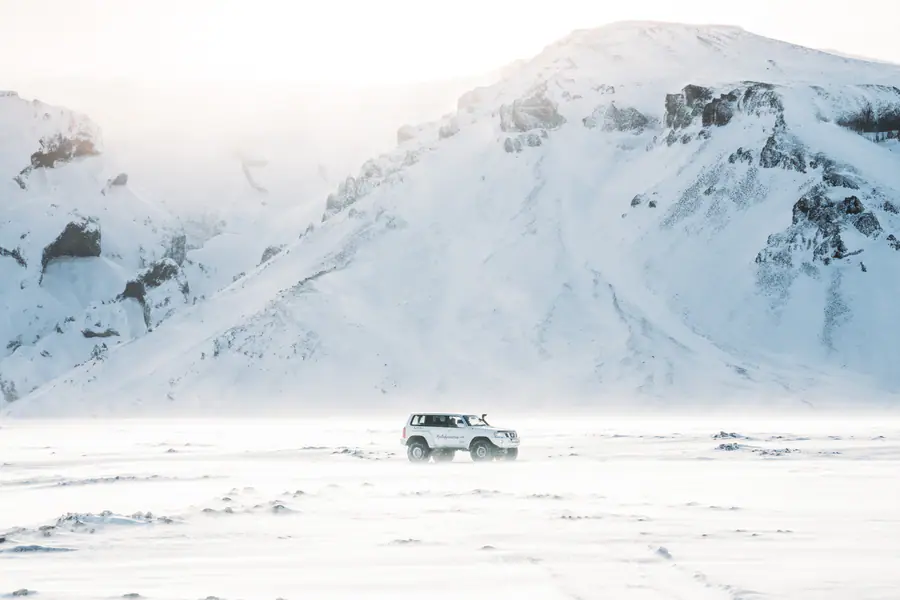
Waterfall landscape on an Iceland Ring Road journey

Iceland road journey guide

Iceland Ring Road: how to plan the route

Start reading

The Ring Road connects waterfall country, glacier lagoons, eastern fjords and northern towns. Planning it is mostly a question of where to spend your nights and how much walking, stopping and driving belongs between them.

Begin with your time

How much time does the Ring Road need?

Route 1 is a paved loop of approximately 1,322 km, before airport journeys, accommodation access and side trips. The time budgets below are summer recommendations, counted after flights and rest.

About a week

Our preference is a regional journey with two-night bases: waterfalls, coast, geothermal landscapes and Reykjavík without moving every morning.

Choose the southwest and South Coast, or another region that matches your interests. Build around one main outing a day and leave other stops optional.

A compressed summer loop demands more driving and fewer detours. Decide whether completing the circle is worth giving up walks and slower afternoons.

10–14 full travel days

A useful starting range for a first summer circuit. It creates space for different regions, selected walks and some nights without packing up the next morning.

Put extra nights where you want to explore: the southeast, East Iceland and Mývatn are natural candidates. Our twelve-night example shows one way to distribute the trip.

This still calls for choices. A major Westfjords journey or several Highland days need extra time or a simpler main loop. In winter, this number alone does not make a circuit workable.

15 days or more

Use extra time for longer stays. Two-night bases allow a full day walking, exploring a town or taking an organised activity.

Choose one substantial extension, such as Snæfellsnes or part of the Westfjords, and retain time near the end for the return to the southwest.

More days can still become a crowded itinerary. Plan slower days deliberately, and count the access journey as part of each detour.

Read the island

Around the island, region by region

Travelling counterclockwise from the southwest takes you through the following six regions. These are broad planning stretches rather than daily stages; several of the listed stops lie off Route 1.

1 · Seljalandsfoss · Skógafoss · Vík area

Waterfalls & the South Coast

Water pours over former sea cliffs above farms and black coastal sands, with rewarding walks close to the main journey.

Give the southwest-to-Vík stretch its own day with selected stops. Add a night if a longer walk or guided activity is central to your plans.

The beach is a separate conditions decision. At Reynisfjara, follow the warning system and access restrictions, stay well away from the surf and keep watching the sea.

Explore Waterfalls & the South Coast

2 · Kirkjubæjarklaustur · Skaftafell · Jökulsárlón · Höfn

Glaciers & the southeast

Lava and broad glacial plains stretch between small settlements. The lagoon belongs to a much larger landscape worth exploring.

Spread this stretch over more than one day if you want a proper Skaftafell walk and an unrushed lagoon visit. Sleep near the experience that matters most.

An organised glacier or boat activity needs its own check-in and weather allowance. Choose the rest of that day's stops around it, and check local paths and access information.

Explore Glaciers & the southeast

3 · Djúpivogur · Eastfjord villages · Egilsstaðir area

Eastfjords & inland valleys

Fjord-side roads, fishing communities and inland woodland change the rhythm. Give the towns time beyond a quick refuelling stop.

Keep a day for the journey north from Höfn, then consider a second night around Egilsstaðir for a chosen village, a walk or a bath.

Check the road your navigation has selected. A suggested shortcut or a mountain crossing to a coastal village is a different decision from following the main route.

Explore Eastfjords & inland valleys

4 · Mývatn area · lava landscapes · optional Dettifoss or Húsavík outing

Mývatn & volcanic country

The scenery opens into volcanic ground and lake country. A base here creates time to explore at walking pace.

Two nights around Mývatn provide one full local day. Choose a main outing; a larger Diamond Circle excursion uses time beyond the Ring Road itself.

For Dettifoss, choose the intended bank and road deliberately. The east approach is gravel; the west approach is paved, but seasonal access still needs checking.

Explore Mývatn & volcanic country

5 · Goðafoss · Akureyri · Skagafjörður

Northern towns & valleys

Waterfalls give way to town life, farms and broad valleys. Make room for a local pool, museum or meal.

Pause in Akureyri, then break the westward return with a night in Skagafjörður if time allows. It gives the northwest a place in the holiday.

Mountain passes can have different conditions from the town where you woke up. A long coastal diversion around a peninsula also needs its own time allowance.

Explore Northern towns & valleys

6 · Borgarnes · optional Borgarfjörður outing · Reykjavík or Keflavík

Borgarfjörður & the return

Settlement stories, farmland, lava and waterfalls give the return its own character, with plenty worth exploring near the southwest.

A Borgarnes-area night breaks the return and leaves a final southwest night. Add time for Hraunfossar or other inland stops rather than assuming they are beside Route 1.

Snæfellsnes is a separate peninsula itinerary. Do not turn the airport return into an improvised loop around it; protect the time needed for your flight.

Explore Borgarfjörður & the return
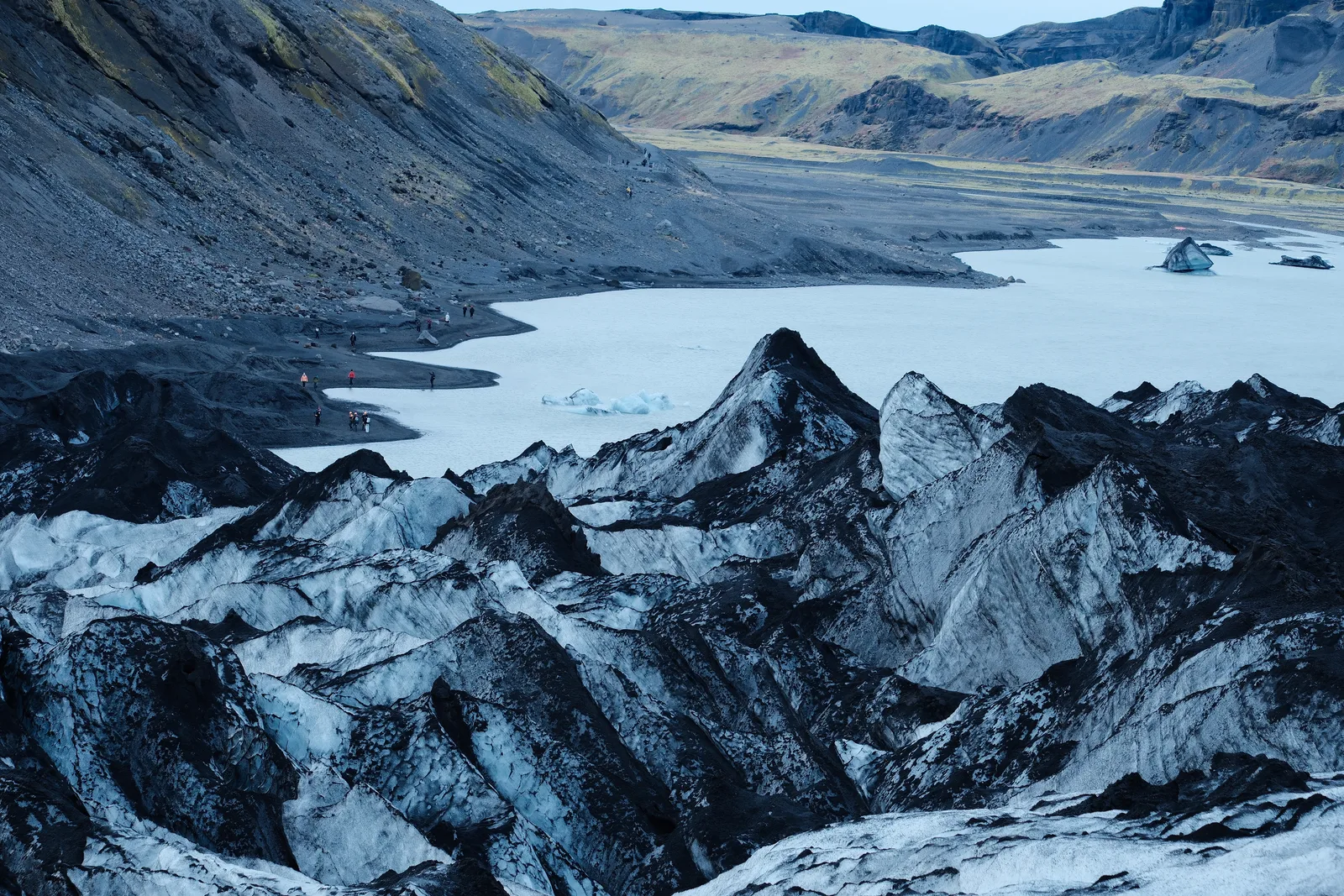
Ash-striped ice ridges beside the meltwater lake at Sólheimajökull on Iceland's South Coast
Sólheimajökull on the South Coast. Build each region around the experiences you want; time at a glacier is different from time spent driving past it.

Put the nights in place

Twelve nights around Iceland, or six in the south

The twelve-night loop and six-night regional trip both include an arrival night and a final southwest night. Bases are suggested areas, to be matched with accommodation, activities and flight times.

12 nights

12-night summer loop

A counterclockwise circuit with two-night pauses in the east and at Mývatn. The south and southeast are spread over several overnight stops so walking and glacier country have room.

  1. Night 1

    Reykjavík

    Arrive and rest. Collect the car when ready to drive, confirm tomorrow's conditions and leave ambitious sightseeing for a rested start.

  2. Night 2

    Vík area

    Follow the South Coast with chosen waterfall stops. Make time for food and a walk, with coastal visits shaped by the conditions.

  3. Night 3

    Kirkjubæjarklaustur or Skaftafell area

    Continue east through the changing landscape. Select the overnight location around your main walk or activity; these bases are alternatives, not neighbouring hotels.

  4. Night 4

    Höfn area

    Enjoy the glacier-lagoon landscape before continuing to Höfn. Fit optional stops around any booked activity and its check-in.

  5. Nights 5–6

    Egilsstaðir area

    Travel through the Eastfjords, then use the local day for one outing: a coastal village, woodland, a walk or a bath.

  6. Nights 7–8

    Mývatn area

    Cross into the north and settle in. Use the second day for local volcanic landscapes or a separate outing towards Húsavík or Dettifoss, after checking access.

  7. Night 9

    Akureyri

    Visit Goðafoss on the way west when conditions suit, then enjoy time in town. A meal, a pool and an unhurried evening can be the day's highlight.

  8. Night 10

    Varmahlíð or Sauðárkrókur

    Pause in Skagafjörður before the longer return towards West Iceland. Choose a local cultural or countryside stop without filling every remaining hour.

  9. Night 11

    Borgarnes area

    Continue west and south. Keep the day manageable, choosing any Borgarfjörður side trip around arrival time rather than treating it as compulsory.

  10. Night 12

    Reykjavík or Keflavík

    Finish near the departure end of your journey. Confirm car return and airport timing, with sightseeing optional and the cross-country driving already behind you.

Twelve nights still involve frequent moves. Add nights for long hikes or major extensions. If weather interrupts the circuit, change bookings and the route; do not try to recover every planned stop by driving longer days.

6 nights

6-night southwest & south

An out-and-back journey with two-night bases for the Golden Circle and South Coast. It uses a shorter holiday for time outside the car and makes a return-day stop easier to rearrange.

  1. Night 1

    Reykjavík

    Arrive and rest. Keep the first evening simple, allowing time to recover from the flight before driving farther.

  2. Nights 2–3

    Selfoss or Hella area

    Use a full day for Þingvellir, the Geysir area and Gullfoss, with time for walks and lunch. Select the base around your chosen route and accommodation.

  3. Nights 4–5

    Vík area

    Move east with waterfall stops, then spend the local day on a suitable walk or coastal outing. Keep a weather alternative instead of a second full list.

  4. Night 6

    Reykjavík or Keflavík

    Return west with time for a stop you left out earlier. End near the departure point, accounting for car return and the actual flight schedule.

You retrace part of the South Coast and leave the north and east for another visit. For Skaftafell and Jökulsárlón, add a southeast overnight and extra time rather than forcing a very long return excursion from Vík.

Travel with the season

Driving through the seasons

Route 1 operates year-round, but weather can close sections. Ice, wind and limited daylight change the distance worth planning for a day, even on a paved road.

Spring

Daylight returns while winter conditions can remain on higher or northern stretches. Snow-free ground near your accommodation does not establish conditions on the next pass.

Keep overnight legs conservative and choose accessible local activities. A spring road holiday need not depend on Highland roads or summer walking trails.

Check road surfaces, the forecast along the whole leg and opening arrangements for your intended stops. Treat each side road separately.

Summer

Long daylight allows more time outdoors, but wind, rain and road disruption remain possible. Bright evenings do not remove driver fatigue.

Use the main loop to connect a few full-day experiences. Arrange important accommodation and activities early, then leave less essential stops flexible.

Review conditions even on apparently settled days, confirm activity meeting times and plan a rested driver. A Highland detour still needs its own access check.

Autumn

Darkness returns and weather can change the pace quickly. Early and late autumn create different expectations for daylight, road surfaces and seasonal services.

Shorten the sightseeing list and use some two-night stays. Decide which places you most want to enjoy in daylight, then position accommodation accordingly.

Check the day's actual daylight, road conditions and opening hours. Reassess longer detours as seasonal services wind down; an available room does not guarantee every nearby attraction is accessible.

Winter

Ice, snow, strong winds and temporary closures can interrupt the loop. Short days reduce the time available for both sightseeing and daylight driving.

Choose fewer regions if you want a more adaptable holiday. If attempting a full circuit, allow room to delay or change overnight plans and avoid a distant final-night base.

Use the road authority's current information and the Met Office forecast before each leg. A suitable vehicle helps with conditions; it does not override closures or replace winter-driving experience.

Before a long or exposed leg, reassess the road, weather and driver’s energy. The previous day’s conditions are not a forecast.

Read the whole day's conditions

Look at road information and the forecast for the route ahead, including passes and side roads. Follow official closures. If you need to stay put or shorten the day, contact accommodation and activity providers before the plan becomes a late arrival.

Give one experience the best time

Choose the walk, town or activity that matters most today. Build in meals, check-in and ordinary breaks, then treat extra stops as optional. Two consecutive nights only create a rest from moving if you do not fill the local day with another long drive.

Check the driver as well as the car

Start rested, take breaks and change drivers when appropriate. Avoid assigning a long arrival drive after an overnight flight. Extra summer light is useful for sightseeing, but it does not make a tired driver ready for another leg.

Plan fuel, food and the overnight details

Identify refuelling or charging opportunities and confirm any charging arrangements you depend on. Check food options, opening hours, accommodation check-in and the car's range before a quieter stretch. Keep water, snacks and warm layers available in the vehicle.

Stop properly and leave time to finish

Use designated parking or a suitable stopping area for photographs. Keep attention on the road, including single-lane bridges and changes of surface. Finish the day with enough energy for dinner and tomorrow's decisions, rather than trying to complete every saved pin.

Leave the loop deliberately

Beyond Route 1

The Golden Circle, Snæfellsnes, Westfjords and central Highlands sit outside the basic loop. Each needs time for its approach as well as the visit.

The Golden Circle

Þingvellir, the Geysir geothermal area and Gullfoss bring history, rift scenery and geothermal activity into a focused southwest day.

Time: Our suggestion: allow a full sightseeing day, adding time for longer activities. Place it at the beginning or end of the journey or use a southwest base.

Plan it as its own road itinerary. It is not the same route as the Ring Road, and winter forecasts and local path conditions still apply.

Plan this detour to The Golden Circle

Snæfellsnes Peninsula

Coastal walks, fishing villages, lava and the national park offer a varied western extension with enough interest to slow down for.

Time: Our suggestion: reserve two or more days if you want to explore, with a peninsula overnight. Count the journey from and back to the main loop.

Choose the actual coastal and connecting roads in advance. Weather can change the day, and access to a town does not guarantee suitable conditions for a cliff walk.

Plan this detour to Snæfellsnes Peninsula

The Westfjords

Long fjords, small communities and places such as Dynjandi make this a substantial journey with a different pace from the main circuit.

Time: Visit Westfjords recommends at least four to five days for the full Westfjords Way. Explore a selected part if you have less, accounting for the access and return journey.

Some roads are gravel and mountain passes need current checks. Main roads have winter service, but conditions and individual attraction access vary; avoid treating the whole region as either always open or always closed.

Plan this detour to The Westfjords

The central Highlands

Landmannalaugar, Þórsmörk and other interior landscapes can add a full hiking chapter when your dates and transport arrangements suit.

Time: Allocate a separate day for a suitable guided or transported outing, or several days for a trek. The access journey belongs inside that allowance.

Check the specific road, season, vehicle suitability and rental agreement. Unbridged rivers and rough roads make this different from Route 1; specialist transport may be the better arrangement.

Plan this detour to The central Highlands
Gullfoss cascading into its narrow canyon between green banks
Gullfoss on the Golden Circle. This is a side trip from the Ring Road, so give it time of its own when you build the route.
Highland roads and access

Good to know

Common questions

How many days should I allow for the Ring Road?

For a first summer journey, our starting recommendation is 10–14 full travel days. Shorter circuits involve more driving and fewer walks or detours. Count flight and rest time honestly. With about a week, consider the six-night regional itinerary; in winter, choose the scope around conditions and flexibility rather than a fixed minimum.

Should I drive clockwise or counterclockwise?

Both directions can work. Our example runs counterclockwise so the South Coast comes first, but that is an itinerary choice. Compare accommodation, activity bookings and the forecast before fixing the direction. Once underway, reassess individual legs rather than expecting a complete reversal to solve every weather problem.

Do I need a 4×4 for the Ring Road?

Route 1 is paved and does not inherently require a 4×4 in suitable conditions. Choose a vehicle for the season, your driving experience and the roads you actually plan to use. Highland detours have separate requirements. A 4×4 does not override a closure or make every river crossing appropriate.

Is the Ring Road open in winter?

It is a year-round road, but sections can close temporarily during bad weather. That makes a rigid winter loop vulnerable to delays. Check current road conditions and forecasts, retain flexibility in overnight plans and keep the final night near your departure area. A shorter regional journey may suit the trip better.

Are the Golden Circle and the Ring Road the same?

No. The Ring Road is Route 1 around the island. The Golden Circle is a southwest sightseeing route including Þingvellir, Geysir and Gullfoss. Snæfellsnes, the Westfjords and the central Highlands also require departures from the basic loop, with their own time and access arrangements.

Should I book accommodation or stay flexible?

Arrange important overnight bases before building a detailed sightseeing list, and read the cancellation and arrival terms. Keep daytime stops flexible, include some two-night stays and understand what changes would mean if weather interrupts a leg. A guided or tailored journey can help organise these decisions; confirm the support included.

Want the loop without the rush?

Build a Ring Road journey with the time and flexibility you need

Start With Tailored
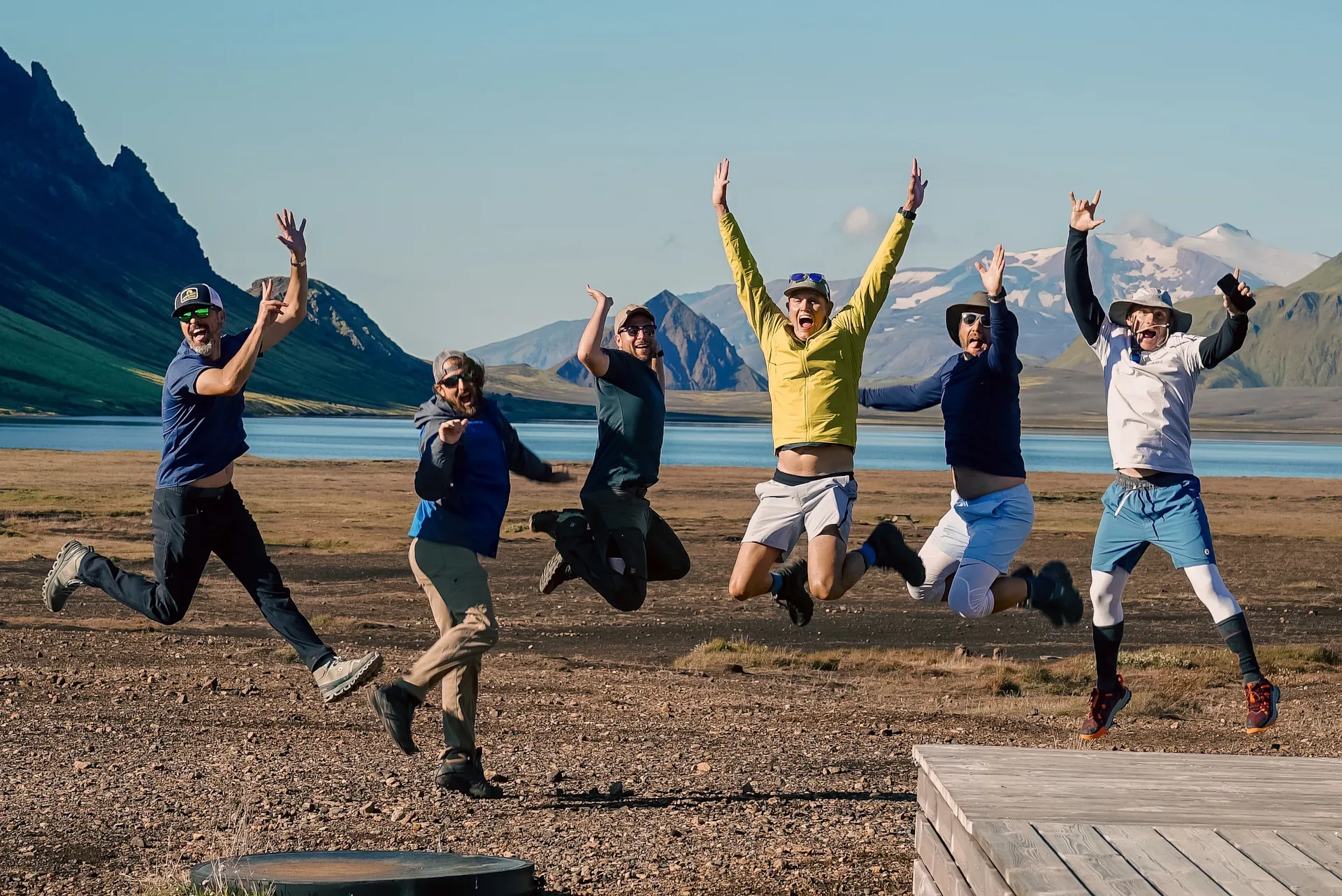
Happy group of hikers outside Alftavatn Hut in Iceland with Norse Adventures

Newsletter

Join our community

New departures, field notes from Iceland, and practical planning ideas from the Norse Adventures team.