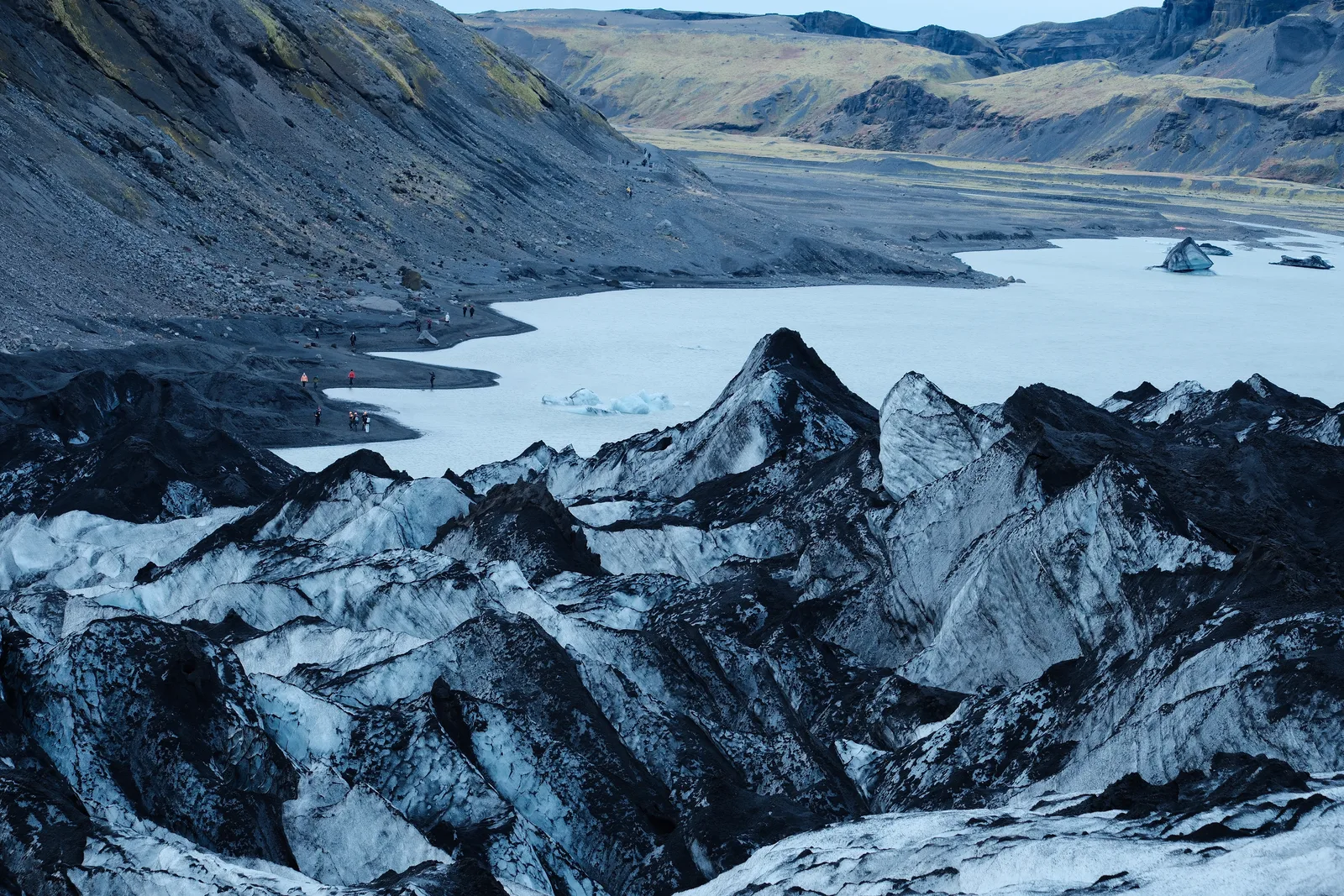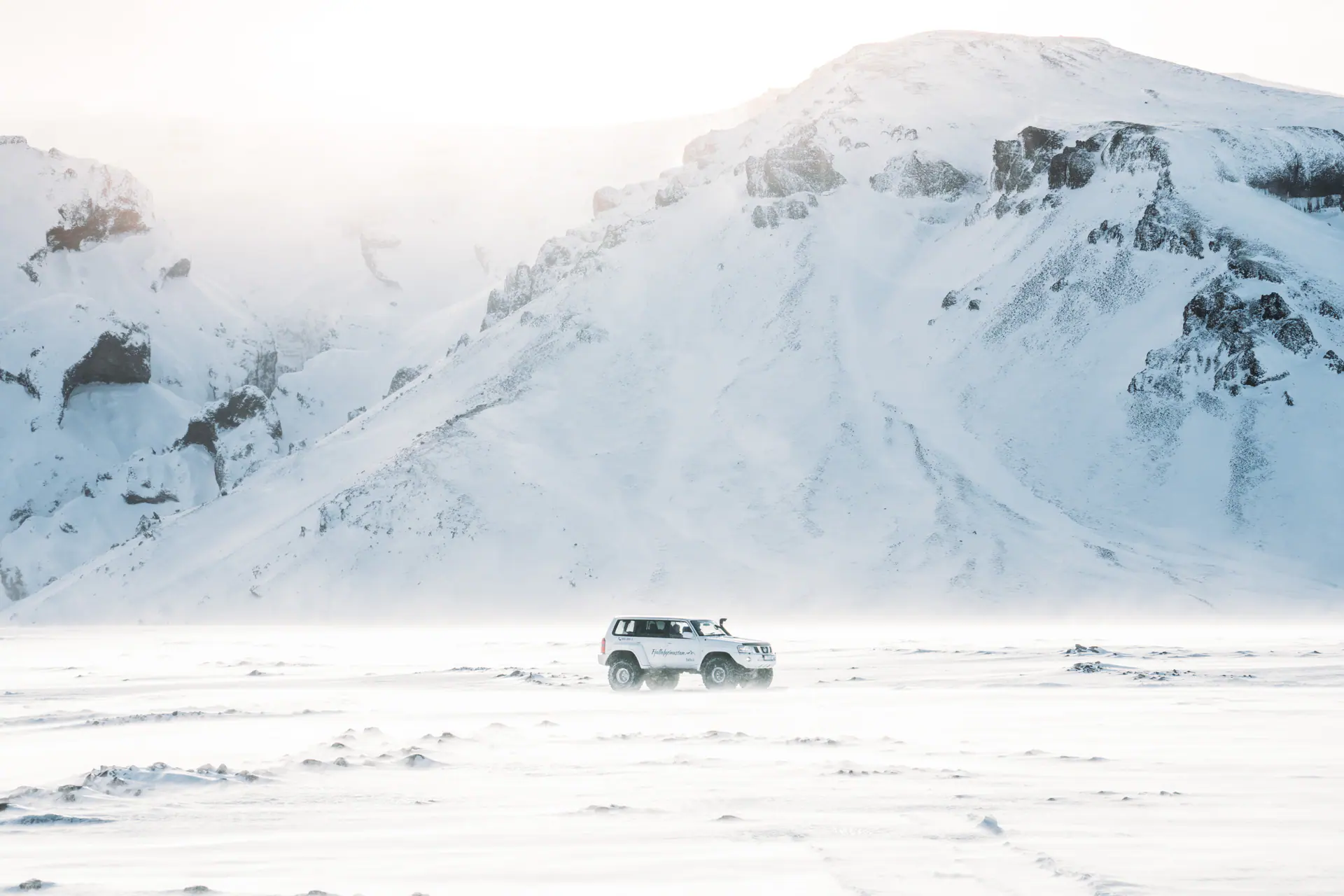
Winter road and snowy Icelandic landscape
Magnus Viking
Written byMagnus VikingUpdated June 2026

Owner, CEO, and lead guide at Norse Adventures. Magnus builds Iceland journeys around local knowledge, Highland safety, and the stories behind the landscape.

Winter in Iceland can be extraordinary: low sun, snow, frozen waterfalls, dark-sky aurora chances, geothermal contrast, and quieter travel. It can also be unforgiving if you plan it like summer.

The right winter itinerary is built around daylight, road conditions, wind, storms, flexible routing, warm clothing, and a clear understanding that cancellations can be the responsible decision.

Share guide
FacebookWhatsAppEmail

Daylight and rhythm

Winter days are shorter, so the route must be calmer.

The main winter planning mistake is trying to fit a summer day into winter daylight. A route that feels easy in June can become rushed in December when stops, driving, lunch, photos, and weather all compete for limited light.

Use daylight as a design tool. Fewer stops, stronger timing, and better guide decisions usually create a better winter day than a long checklist.

Snow-covered winter landscape in Iceland

Roads and storms

Winter road confidence comes from checking conditions repeatedly.

SafeTravel advises drivers to check weather and road conditions and to drive according to conditions. Winter conditions can also appear in spring and autumn, so the calendar alone does not define the risk.

Storms, wind, ice, closures, and poor visibility can change the day. A good private winter itinerary includes backup routes, cancellation logic, and enough time that you are not forced into marginal decisions.

  • Check road status and weather before departure and during the day.
  • Respect closures and warnings.
  • Avoid long self-drive days after overnight flights.

Aurora and clothing

Northern Lights require patience, darkness, and warm layers.

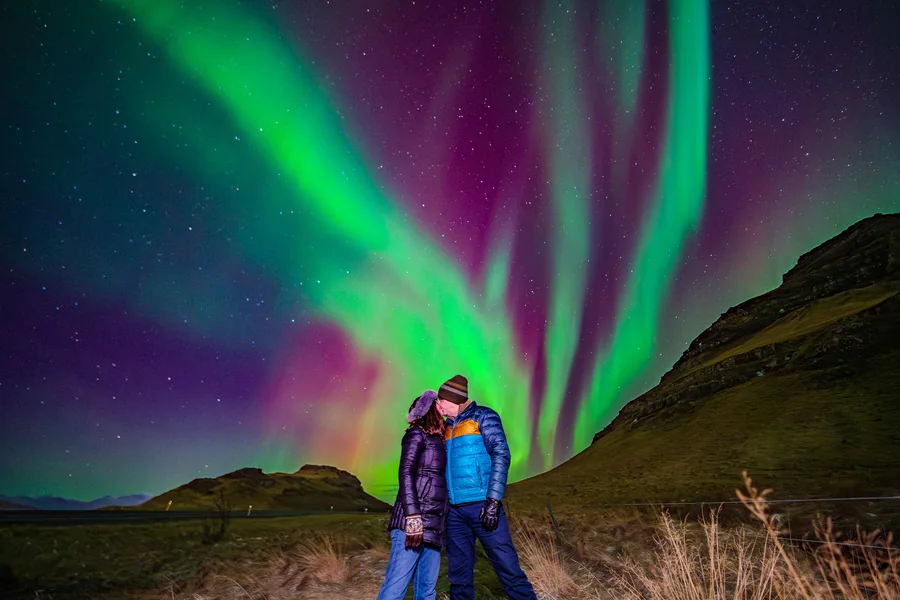
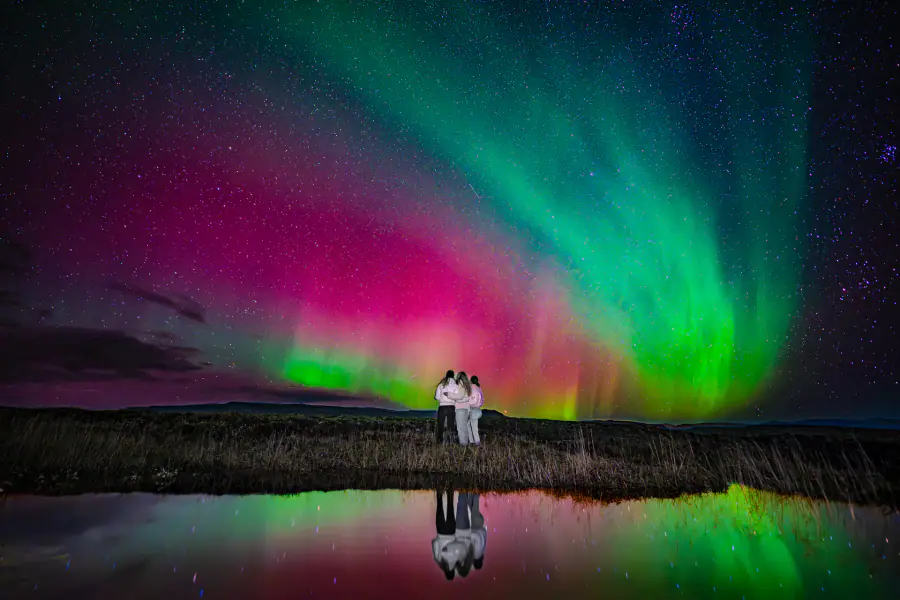
Visit Iceland describes aurora season as late August until late April, with darkness and clear or partly clear skies required. The Icelandic Met Office aurora forecast is useful, but the best decisions still happen close to departure.

Warm clothing is not only for comfort. Standing outside at night is colder than walking around during the day. Wool or synthetic layers, waterproof outerwear, warm shoes, gloves, and headwear make the night more enjoyable and safer.

  • Choose multiple aurora chances if Northern Lights matter deeply.
  • Pack for wind and wet cold, not just low temperature.
  • Accept that a cancelled day can be the correct safety decision.

Decision guide

How to choose

Winter is right if...

  • You want Northern Lights, snow atmosphere, and quieter travel.
  • You are comfortable with flexible plans.
  • You prefer guided decisions over aggressive self-drive routing.

Choose summer instead if...

  • You want Highland hiking and long daylight.
  • You dislike weather-driven changes.
  • You want to maximize road-trip distance every day.

FAQ

Common questions

Is winter a good time to visit Iceland?

Yes, if you want winter landscapes, Northern Lights, and quieter travel, and if you are comfortable letting weather shape the itinerary.

Can I drive around Iceland in winter?

Some travelers do, but winter self-driving requires experience, flexible plans, current road and weather checks, and respect for closures. A private guided route is often easier and safer.

Will my winter tour be cancelled in bad weather?

It can be. In Iceland, cancellation or rerouting is sometimes the professional decision, especially when wind, ice, visibility, or road closures make the route unreasonable.

Sources

Official planning references

Winter rewards flexible planning

Build a private Iceland winter route around weather, daylight, and aurora chances.

Plan a Winter Trip
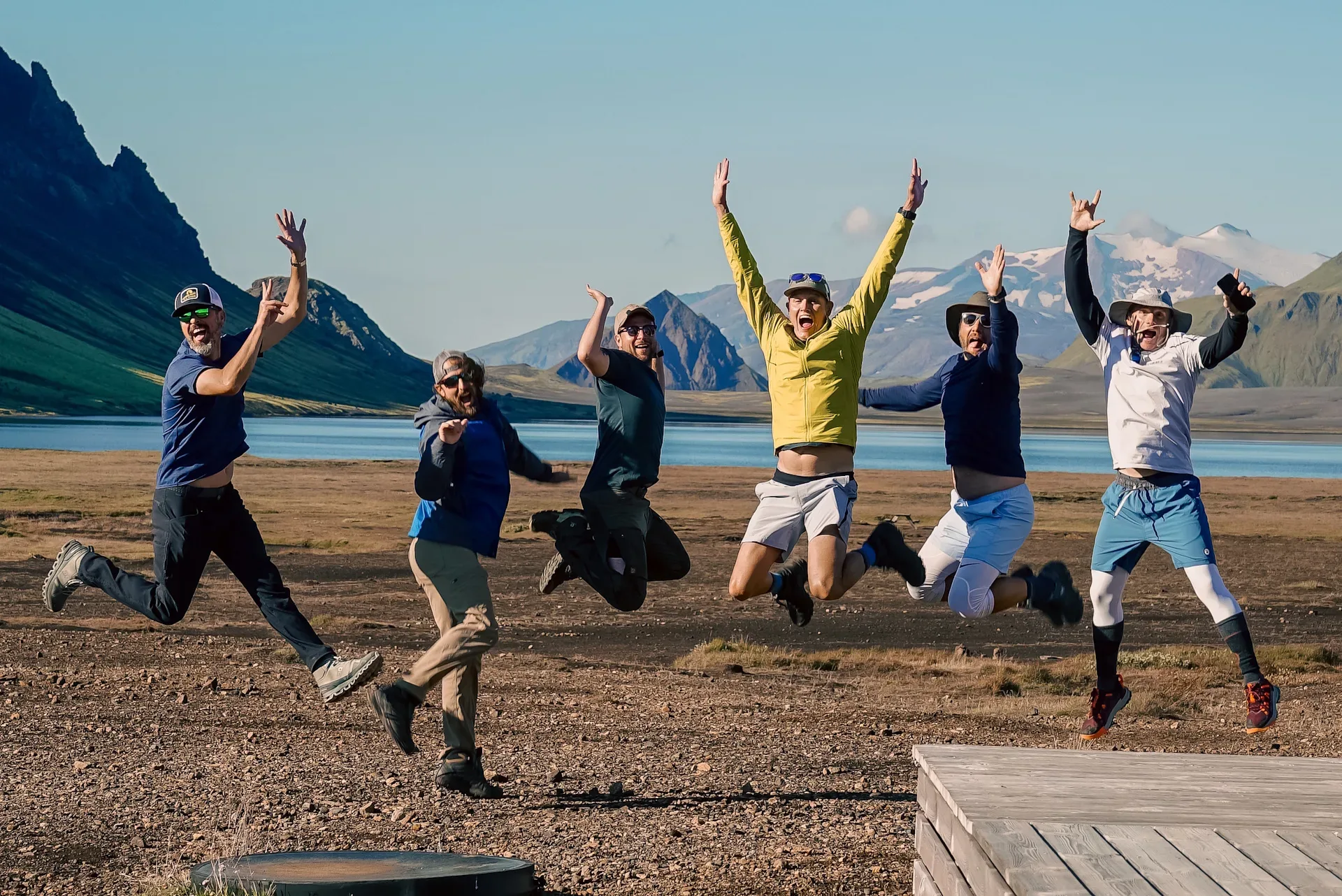
Happy group of hikers outside Alftavatn Hut in Iceland with Norse Adventures

Newsletter

Join our community

New departures, field notes from Iceland, and practical planning ideas from the Norse Adventures team.