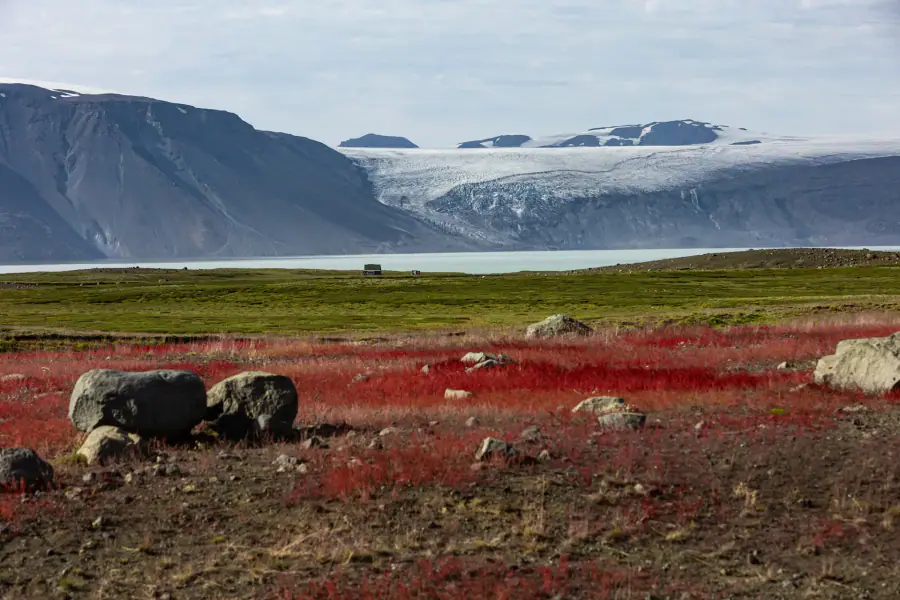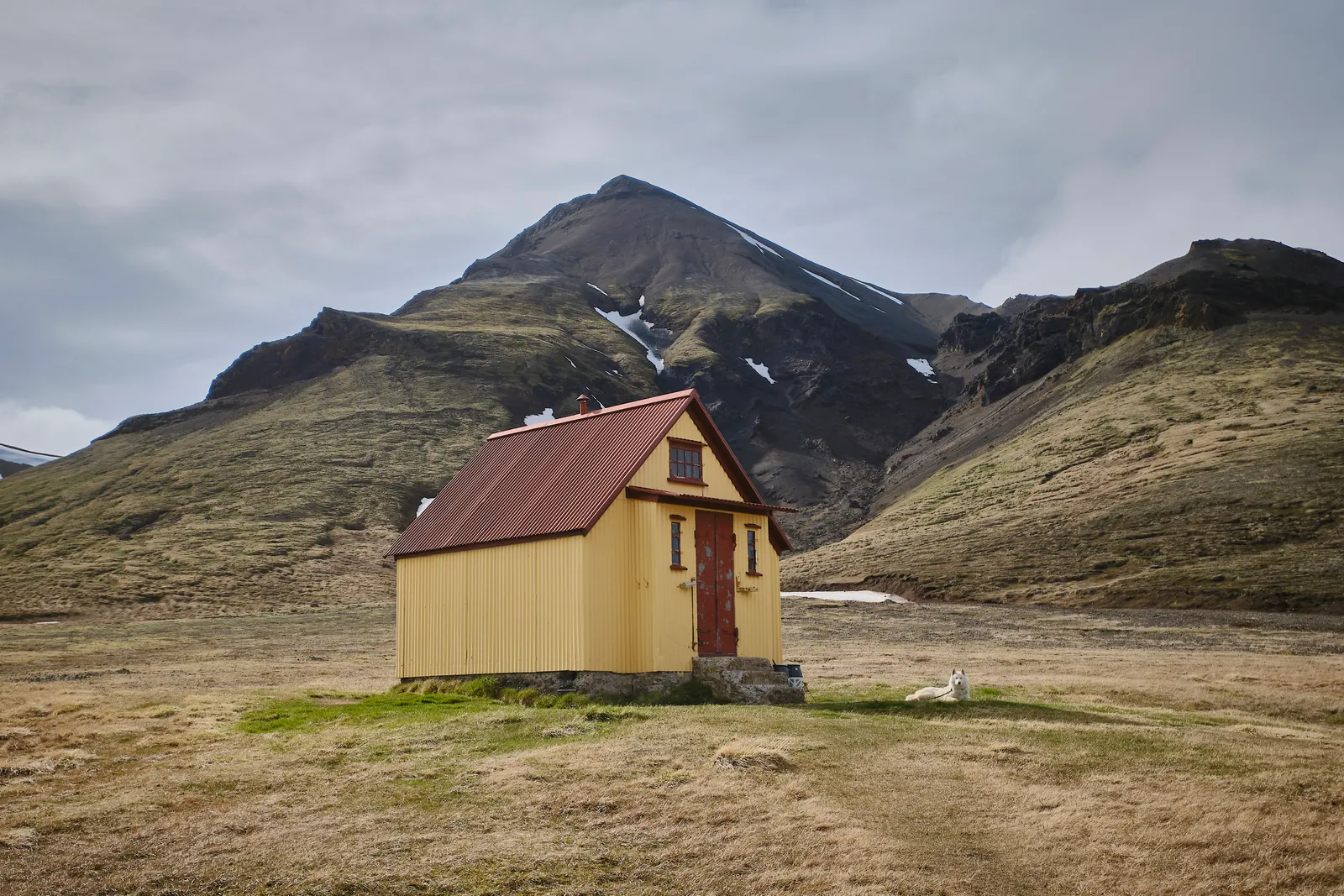
Mountain hut and open Highland landscape in Iceland

Iceland Highlands guide

Iceland hut-to-hut trekking: what to know before you go

Magnus Viking
Written byMagnus VikingUpdated April 2026

Owner, CEO, and lead guide at Norse Adventures. Magnus builds Iceland journeys around local knowledge, Highland safety, and the stories behind the landscape.

Hut-to-hut trekking in Iceland sounds simple: walk by day, sleep indoors at night. In reality, the experience depends heavily on hut bookings, weather, trail access, food, luggage, sleeping bags, and how much support your group wants.

The best hut trips are not only scenic. They are well-planned, realistic, and respectful of the fragile Highland environment.

How huts work

Icelandic mountain huts are practical shelters, not hotels.

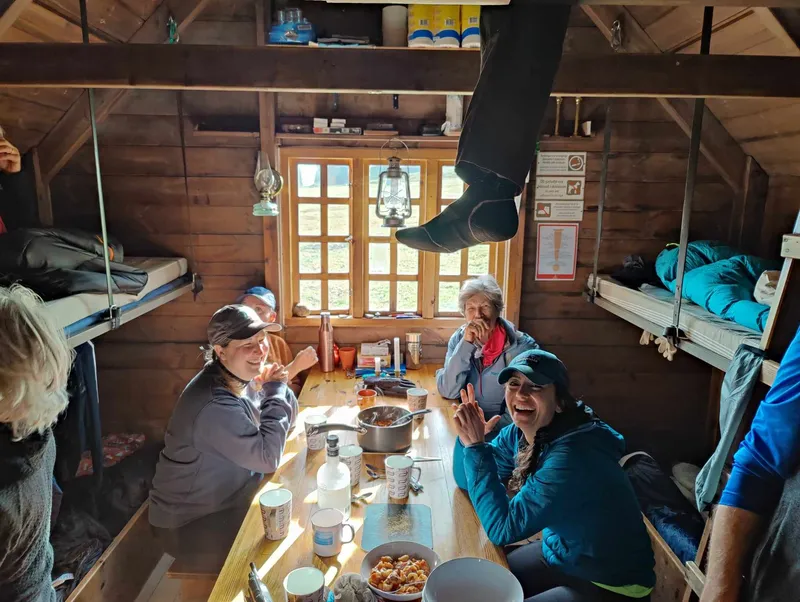
Expect shared spaces, bunk sleeping, simple kitchens, limited privacy, and a communal rhythm. On many routes you bring your own sleeping bag and food unless you are traveling on a supported trip.

On popular routes like Laugavegur, hut and campsite space is limited and should be booked in advance. Turning up without arrangements is not a premium adventure; it is a logistics risk.

Highland hut on a trekking route in Iceland
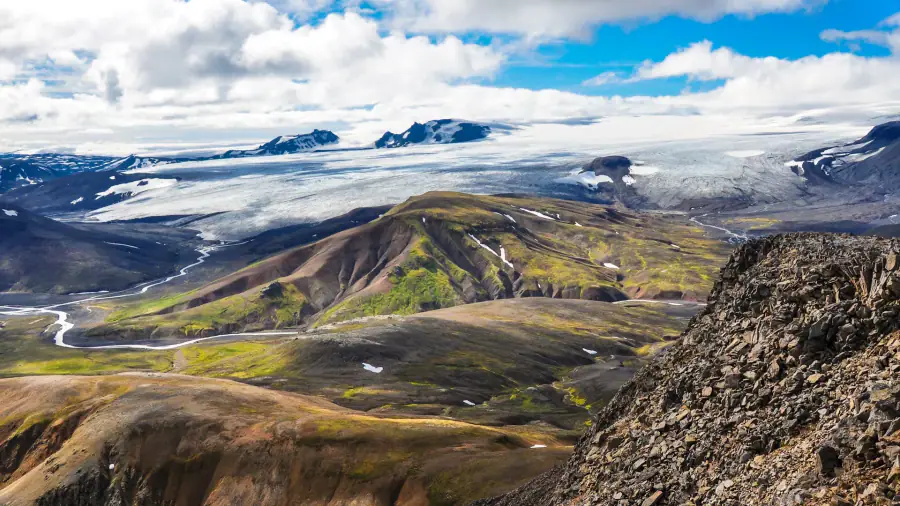
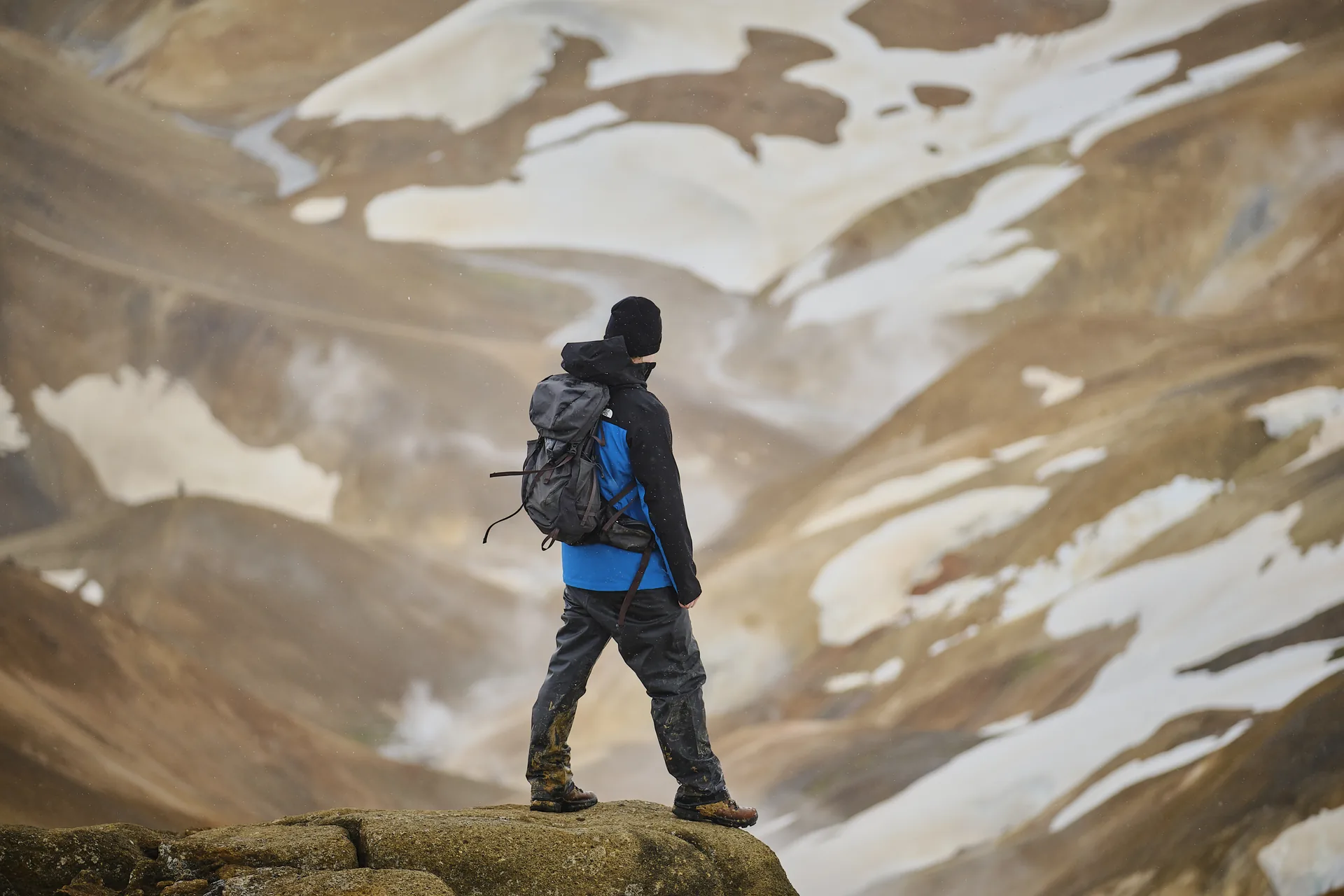
Hikers traveling through Iceland's central Highlands

Season

The Highland hut season is short because the Highlands are serious.

Most classic Highland trekking belongs to summer, when routes, huts, buses, and access roads are more realistic. Late June through early September is the normal planning window for many routes, with July and August often the most reliable.

Outside the main season, huts may be closed or unmanned, roads may be inaccessible, and weather risk increases. Winter Highland travel is not a casual extension of summer hiking.

Support

Guided support changes the whole experience.

Independent trekking can be rewarding, but you own every decision: huts, buses, food, route timing, river crossings, packing, and bad-weather calls. A supported trek moves much of that burden to the operator.

On a trip like Ancient Trails, you carry a daypack while huts, meals, luggage transfer, safety planning, and local interpretation are part of the structure. That is the difference between simply crossing a landscape and being hosted through it.

  • Ask whether luggage is transferred or carried.
  • Confirm whether meals and sleeping bags are included.
  • Understand the maximum group size.
  • Know how weather decisions are handled.

Decision guide

How to choose

Go independent if...

  • You enjoy solving logistics yourself.
  • You have strong mountain judgment and realistic weather expectations.
  • You can secure hut or campsite bookings before committing.

Go supported if...

  • You want fewer logistics and more presence on the route.
  • You prefer local guiding, meals, and safety structure.
  • You want a smaller, more hosted Highland experience.

FAQ

Common questions

Do Icelandic mountain huts provide bedding?

On many hut routes, travelers bring a sleeping bag. Always check the specific hut or tour details before packing.

Do I need to book huts in advance?

Yes for popular routes. FÍ specifically notes that Laugavegur huts and campsites should be booked ahead because capacity is limited and demand is high.

Is hut-to-hut trekking easier than camping?

It can be more comfortable, but the hiking, weather, and logistics can still be serious. Huts reduce some camping burden; they do not remove Highland realities.

Sources

Official planning references

Want a supported hut route?

Ancient Trails handles huts, meals, luggage, and local guiding through the Highlands.

View Ancient Trails
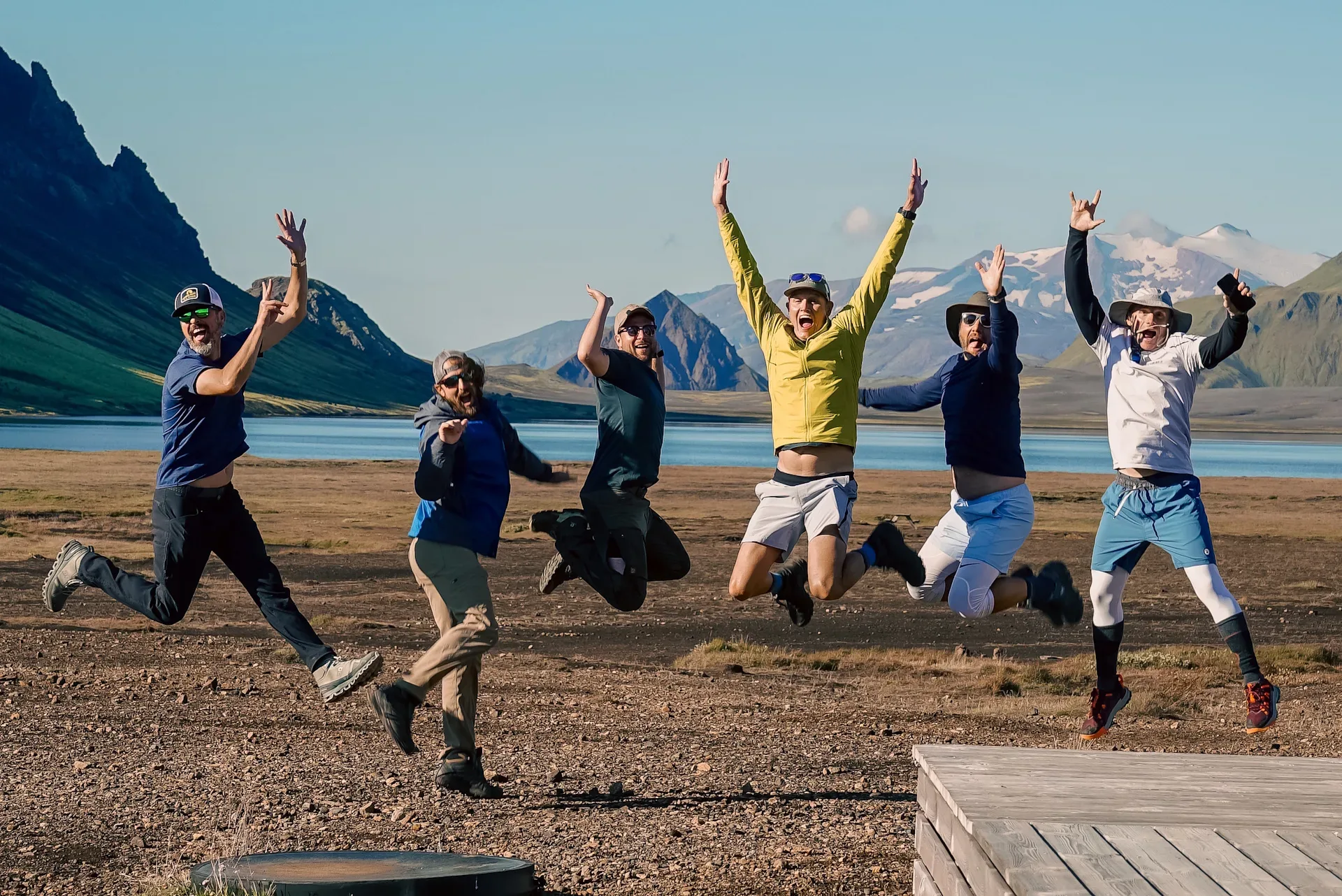
Happy group of hikers outside Alftavatn Hut in Iceland with Norse Adventures

Newsletter

Join our community

New departures, field notes from Iceland, and practical planning ideas from the Norse Adventures team.