Summer Highland landscape on Ancient Trails in Iceland

Long summer days are most rewarding when you have time to stop. Spend several nights near the places you want to walk, make a Highland visit a day of its own, and save some of the evening light for wherever you are sleeping.

The long evenings

Enjoy the light without extending every drive

Use the long light for something close to where you are sleeping. Dinner followed by a waterfront walk is a better finish to a full day than another distant stop and a late drive back.

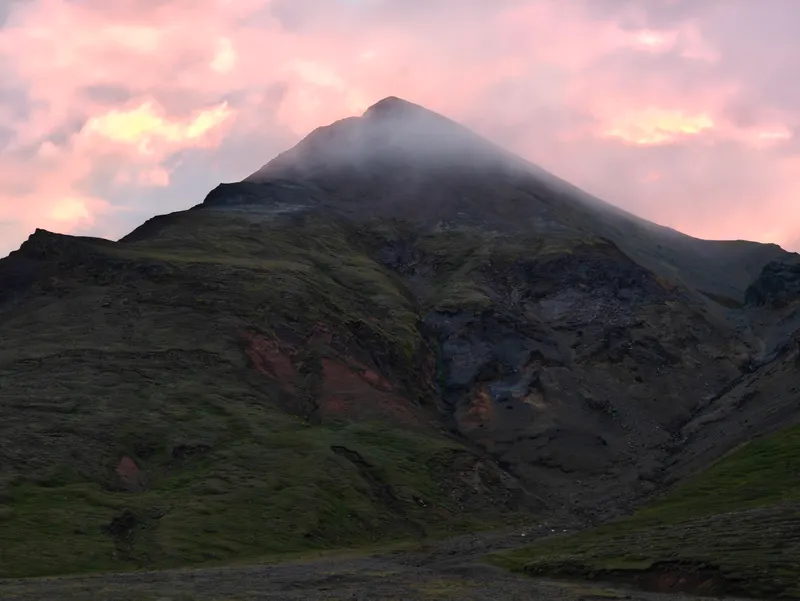
Pink evening clouds and wisps of mist above Rauðkollur mountain and the green slopes of Þjófadalir
Evening light on Rauðkollur above Þjófadalir. Leave room for one unhurried evening as well as the day's planned stops.

Around midsummer, Reykjavík's sun dips below the horizon but twilight keeps the night bright. That can make an ordinary after-dinner stroll feel quite different. The Sun Voyager waterfront or Tjörnin are enough for a city evening; in the countryside, favour a familiar path near your accommodation. Use the sunset time for your actual location and date.

Decide whether a late photograph matters more than an early start tomorrow. If it does, move breakfast and the next outing later. An eye mask helps when your room stays bright; it does not make a short night sufficient for a long drive. Rest after an overnight flight before starting a substantial road journey.

Keep dinner, check-in and opening hours in the plan. A bright sky does not keep a kitchen or pool open, and waiting until you feel that it is evening can mean eating much later than intended. Put the evening walk after the meal, somewhere with a straightforward return. You can enjoy summer light without staying out until the latest possible sunset.

Still deciding when to travel? Compare the months and seasons.

The main journey

A regional week or a walking holiday

For a week, we recommend one main region with time on foot, or a holiday built around a trek. A circuit of the whole island asks for a different pace. The examples below show what to spend time on—and what to leave out.

A week in South Iceland

Stay near the walks, and make one Highland day the optional extra.

An illustrative seven-night plan is two nights in Reykjavík, four around Hvolsvöllur or Skógar, then a final southwest night arranged around your departure. The country stay gives waterfalls and walks their own days instead of attaching them to a repeated return drive from the city.

Use one day for the coast around Vík and another for walking near Skógar. A suitable Þórsmörk or Landmannalaugar outing can take a third day, provided collection and return work from your base. Keep the remaining day local: another walk, a museum, a pool or simply a slower start. Fit the Golden Circle into the southwest part only if it is among your priorities.

Leave outLeave the full Ring Road, Snæfellsnes and the Westfjords for another journey. Jökulsárlón also needs its own southeast stay rather than an ever-longer excursion from this base.

South Coast places and walks
A western holiday with several nights on Snæfellsnes

Choose this instead of the southern stay when coastal walking is the main attraction.

Stay on the peninsula for several nights and explore it in pieces. The Arnarstapi–Hellnar coast gives you lava, cliffs and a walking route worth time outside the car. Separate that outing from a day around the national park and time in the peninsula's settlements. You do not need to complete every part of the coast on the same day.

Pick accommodation for its relation to the places you want to walk, rather than changing rooms every night. Before a point-to-point walk, settle how you will return. Reykjavík can frame the trip at either end; it does not need to be the overnight base for each western outing.

Leave outLeave southern Highland day trips out of this version. Adding Þórsmörk or Landmannalaugar means a separate travel commitment, not a small detour from the peninsula.

The Arnarstapi–Hellnar coast

A summer spent walking between huts

Let the trek be the main journey, with preparation and rest around it.

If consecutive days on foot are what you want, reserve the trek before building a road itinerary. Ancient Trails is one six-day guided Highland journey, with five shared hut nights, meals and main-luggage transport. An independent route has its own overnight sequence, food and transport arrangements to settle.

Arrive with time to organise equipment and recover from travel. After the walk, plan an easy day near the return point before another demanding journey. For a six-day trek, this means giving the holiday more than the six trekking days themselves. It also lets you enjoy the hut evenings without treating each morning as a race towards the next booking.

Leave outLeave a compressed island circuit out of the same week. A few Reykjavík or nearby experiences around the trek are enough; the walking has already supplied the journey.

Hut trekking and support arrangements

If seeing the north and east matters more than staying in one walking area, build a longer road journey instead. Our Ring Road guide sets out a twelve-night example. That is a different holiday from the regional week above; give it its own time rather than trying to attach it to everything else.

Plan a Ring Road journey

A Highland day

Go for the walk, and give it enough time

A Highland visit earns its place when there is enough time to walk after the approach. Book the transport window first, then fit the trail to it. Bright evenings cannot extend a bus timetable.

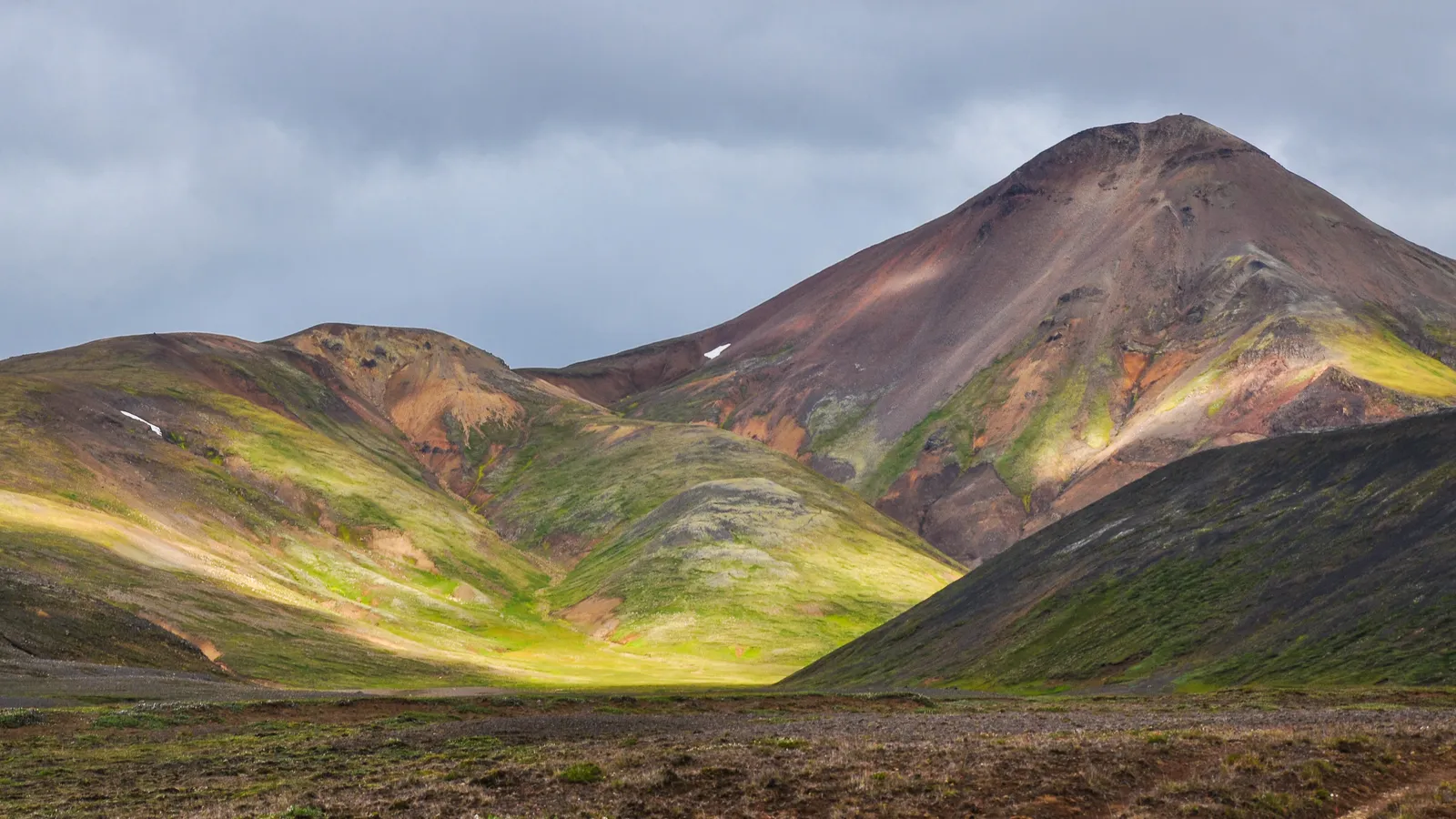
Green, ochre and reddish Highland slopes surrounding a sunlit valley beneath a cloudy sky
Colourful Highland terrain on Ancient Trails. Build a mountain day around confirmed access and a walk that suits the conditions.

Þórsmörk: enough time for the valley

Go for birch woodland, valleys and a walk above them. A shorter Valahnúkur outing and a longer Tindfjallahringur circuit use the day differently. Select the actual route from the hours available at your arrival base, allowing for lunch, stops and the journey back to the bus.

Húsadalur, Langidalur and Básar are different bases. The arrival and collection points must match your walk; a ticket to Þórsmörk is not enough detail on its own. The river approach is a strong reason to use suitable Highland transport. If you want several walks or a slower evening in the valley, investigate an overnight stay instead of adding more to a day trip.

Þórsmörk walks and arrival bases

Landmannalaugar: one walk, properly enjoyed

Go for rhyolite colour, lava and geothermal ground. FÍ lists the Laugahraun circuit at 4.8 km and about 1½–2 hours of walking, before leisurely stops. That can be a satisfying visit in its own right. A mountain route needs its own walking allowance and suitable conditions; a summit and a soak are not automatic additions.

Confirm the approach as well as parking. Northern 208, F225 and southern F208 involve different road and river decisions. P1 lets visitors use a footbridge for the final approach instead of driving the last fords, but it does not settle vehicle suitability for the preceding roads. Read the current season's parking arrangements; a reservation is not a road-opening confirmation.

Landmannalaugar routes and access

The time you actually have on foot

Subtract the journey in and out from the excursion's total length before choosing a trail. Then account for getting ready, food and returning to the correct stop. For example, a visit with four hours at the destination does not provide four hours of hiking. If the walk you really want no longer fits, change the transport or stay overnight.

A sunny booking date cannot open a mountain road. Snowpack and wet ground affect seasonal openings, and road access, local trails and bus services must all work together. When the Highland visit is unavailable, use a day in the region you are already enjoying. That is why the regional holiday should stand on its own without the mountain extra.

Summer reservations

Book the arrangements that the rest depends on

Book the least flexible part first. For a trek, that is the connected sequence of nights and transfers. For a regional holiday, it is accommodation near the walks you want, followed by any Highland transport or timed access.

  1. Secure the complete trek, if that is the priority

    Check every hut night and the transport at both ends before arranging the surrounding holiday. FÍ recommends advance bookings for both hut beds and campsites. For a guided trek, confirm the departure and inclusions. A free bed on one night cannot make an incomplete walking sequence work.

  2. Reserve accommodation that reduces repeat journeys

    For a regional trip, spend several nights near its main walks. Confirm check-in and dinner arrangements, especially after a long day out. Two or more nights in one place can let you swap a walking day with a local day, provided activity bookings and conditions allow it.

  3. Match the seasonal service to the actual visit

    Check both bus departures, the exact stop and the operating dates for your year. Transport-only and guided walking tickets provide different things. If self-driving to Landmannalaugar, use the current Parka rules for reservations and fees; do not apply the previous summer's dates to a future trip.

  4. Give changes a practical place in the holiday

    Keep one day without a long accommodation move near the outing that depends on conditions. Identify a nearby alternative and read the provider's change terms. If warnings make travel unsuitable, contact the provider rather than driving to meet a booking regardless. Flexibility comes from the actual arrangements, not an empty square elsewhere in the itinerary.

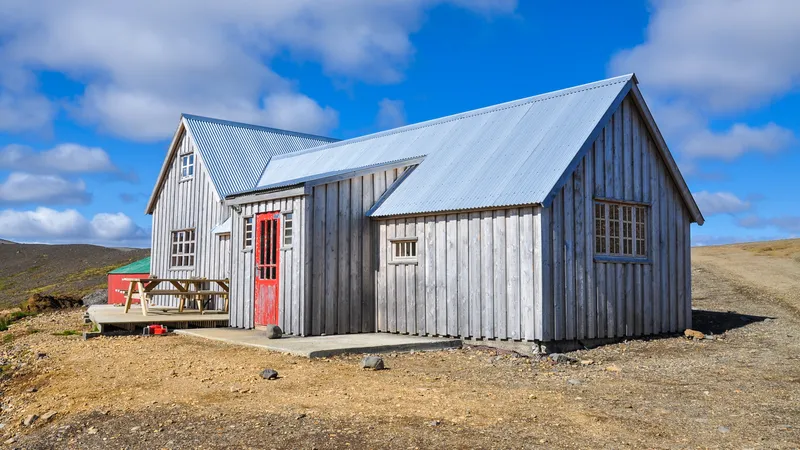
Wooden Kerlingarfjöll hut with a red door and metal roof beneath a blue sky
The Kerlingarfjöll hut. Confirm the overnight places and transport that make your route work before filling in the smaller stops.

Before the Highland outing, check the road report and local forecast again. Take the clothing and equipment required for the chosen walk; the detailed hiking packing list covers that preparation. Summer light changes how you spend the evening, not what an exposed trail asks of you.

The hiking packing list

Good to know

Common questions

Should I stay in Reykjavík for the whole summer trip?

It works for a short break with selected day trips. For a week focused on one countryside region, we recommend spending several nights there: the time saved on repeated return journeys can go into walking and evenings nearby. Confirm transport collection before choosing the base for a Highland outing.

Can I combine both Highland day trips in a short stay?

You can arrange separate days for Þórsmörk and Landmannalaugar when access and services allow. For a regional week, our recommendation is to pick the one you most want and give it enough walking time. If both are central to the holiday, remove other outings or add nights rather than compressing them.

Do summer evenings mean I can drive much farther?

Long light helps with daylight timing, but it does not replace sleep. Plan the driving around a rested driver and the stops you want to enjoy. A short walk near your accommodation usually uses the late light more comfortably than extending an already full driving day.

Can I wait until arrival to arrange Highland access?

Do not build a fixed holiday around unreserved hut nights or assumed bus places. Confirm the necessary nights, services and parking rules for your travel dates, then recheck conditions near departure. Reservations provide an arrangement, not a guarantee that the road or trail will be suitable on the day.

Build your summer route

Plan a summer journey around the walks and places that matter to you

Plan a Summer Trip
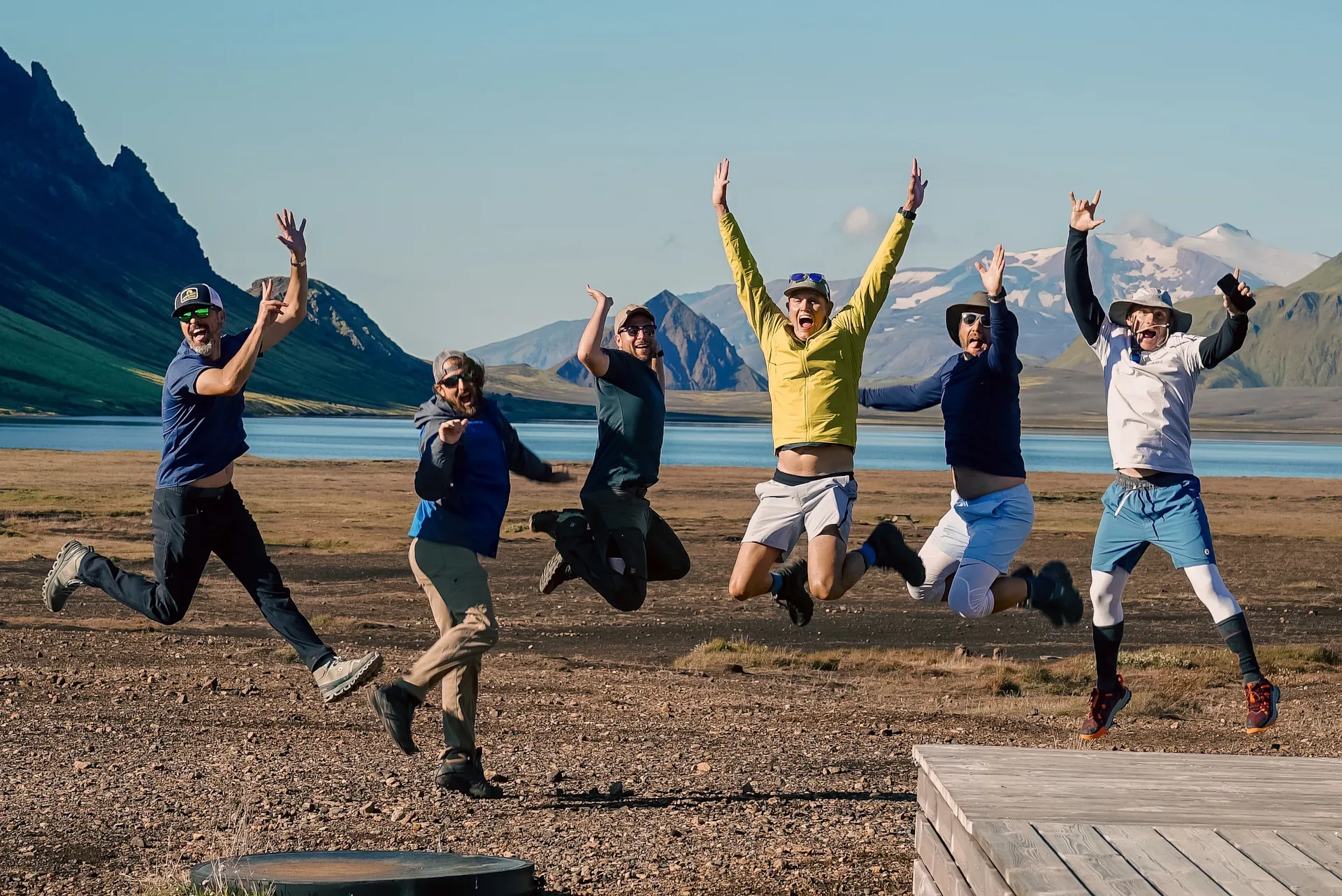
Happy group of hikers outside Alftavatn Hut in Iceland with Norse Adventures

Newsletter

Join our community

New departures, field notes from Iceland, and practical planning ideas from the Norse Adventures team.