Choose a guided hunt if...
- You want someone reading weather and cloud cover in real time.
- You prefer warm logistics instead of driving dark winter roads yourself.
- You want help with photos and realistic expectations.
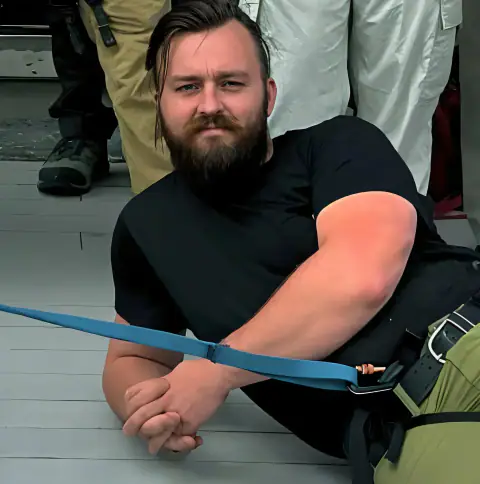
Owner, CEO, and lead guide at Norse Adventures. Magnus builds Iceland journeys around local knowledge, Highland safety, and the stories behind the landscape.
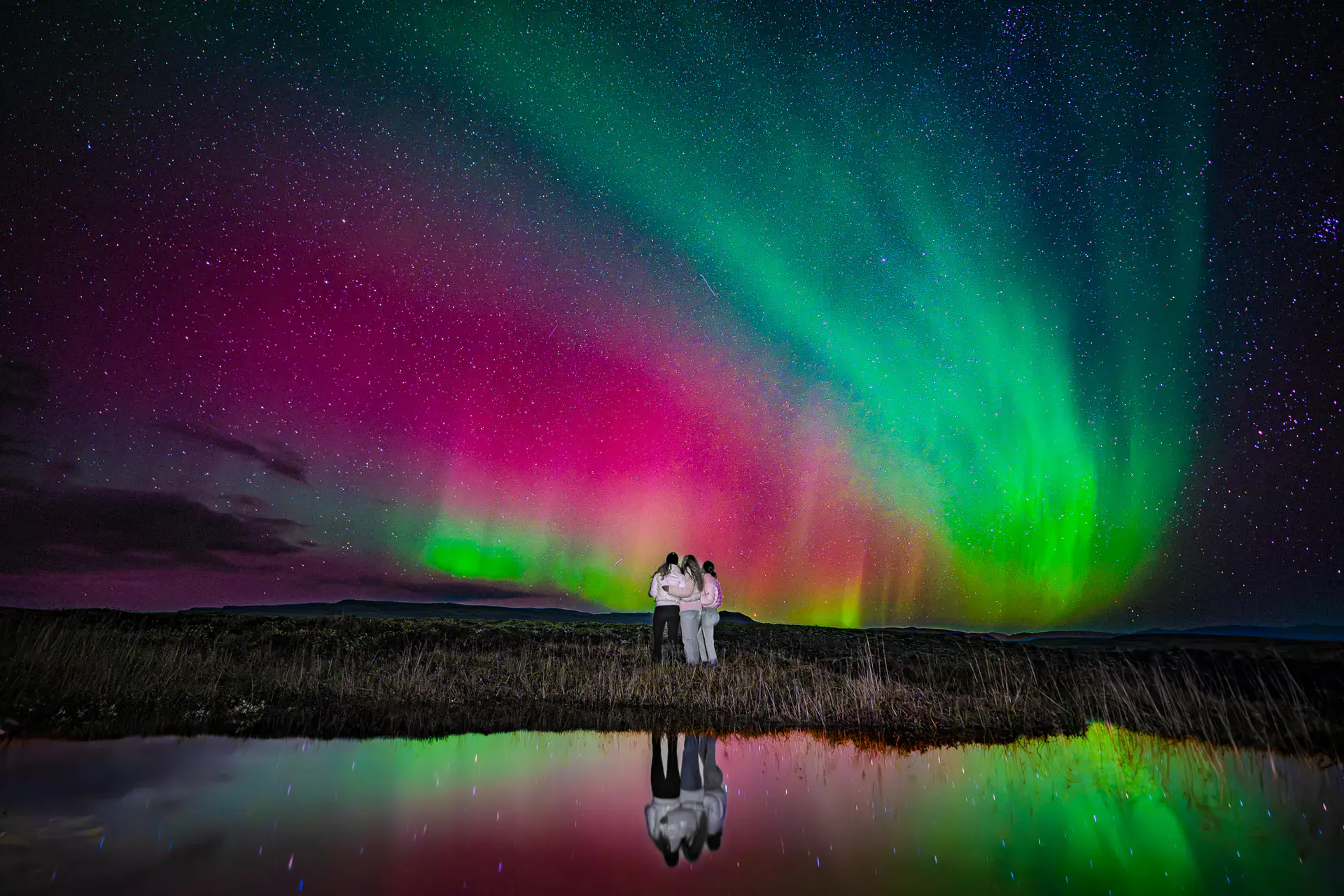
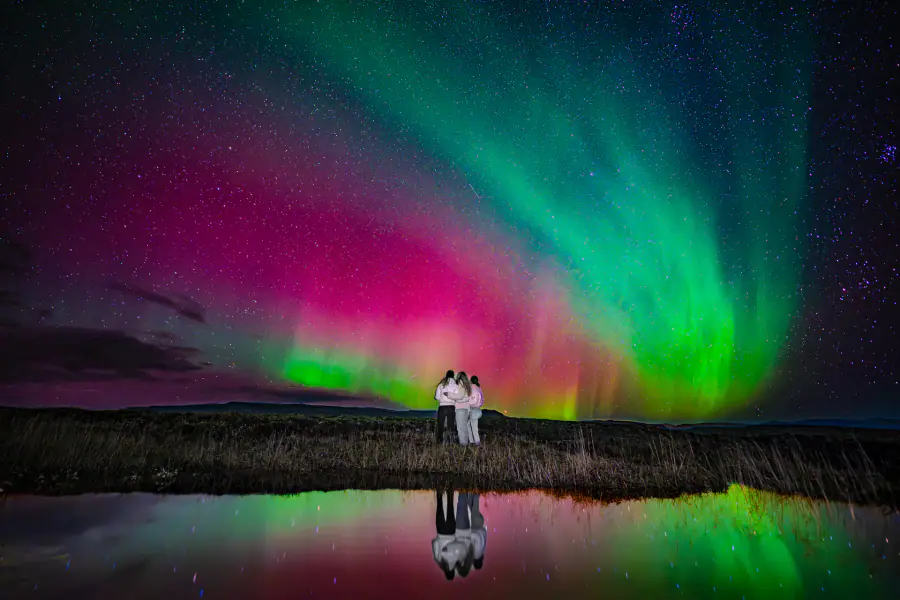
The Northern Lights are not a show with a fixed start time. They depend on darkness, clear enough skies, solar activity, and enough patience to let the night develop.
A good Iceland aurora tour is less about promising magic and more about making disciplined decisions: where the cloud cover is breaking, how far to drive, when to wait, and when to be honest about the odds.
Season
In practical terms, Northern Lights travel in Iceland belongs to the darker part of the year. Late August through April can work, with the deepest winter offering long nights and spring or autumn often offering more balanced travel conditions.
The best month is not only about aurora activity. It is also about how much daylight you want, how winter-capable your group is, and whether you want the trip to include ice caves, winter roads, hiking, photography, or a softer hotel-based route.
How tours work
Guides look for a combination of darkness, openings in cloud cover, and realistic driving options. Sometimes the best decision is a short move away from city light. Sometimes it is a longer route toward a better horizon.
Patience matters. Visit Iceland notes that aurora viewing often rewards being outside around the late evening window, but the exact moment can shift. Warm layers, hot drinks, and a guide who knows when to wait can change the experience.
Expectations
No operator can guarantee aurora. A premium tour should instead give you honest odds, careful routing, warm comfort, strong photography support when conditions allow, and a clear plan if the sky does not cooperate.
If the Northern Lights are the main purpose of the trip, give Iceland more than one night. If they are part of a broader winter journey, build the itinerary so the night hunt feels like a highlight rather than a single all-or-nothing moment.
The night itself
Many travelers imagine stepping out of the vehicle and immediately seeing bright green ribbons. Sometimes that happens, but more often the night builds quietly: faint bands, camera tests, a move to a darker horizon, another wait, then a stronger break if the sky cooperates.
This is why comfort matters. Warm boots, windproof layers, a patient guide, and something hot to drink can be the difference between enjoying the hunt and giving up just before conditions improve.
Decision guide
FAQ
The practical season runs through the darker months, but the best month depends on your travel style. September and October can be softer for driving, midwinter has long nights, and March can combine darkness with improving daylight.
No. You need darkness, clear enough sky, and aurora activity. A good guide improves the decision-making, but nature still decides.
If aurora is a priority, build in several possible nights. A single night can work, but it is vulnerable to cloud cover and weather.
Sources
Want a dark-sky plan?
Newsletter
New departures, field notes from Iceland, and practical planning ideas from the Norse Adventures team.