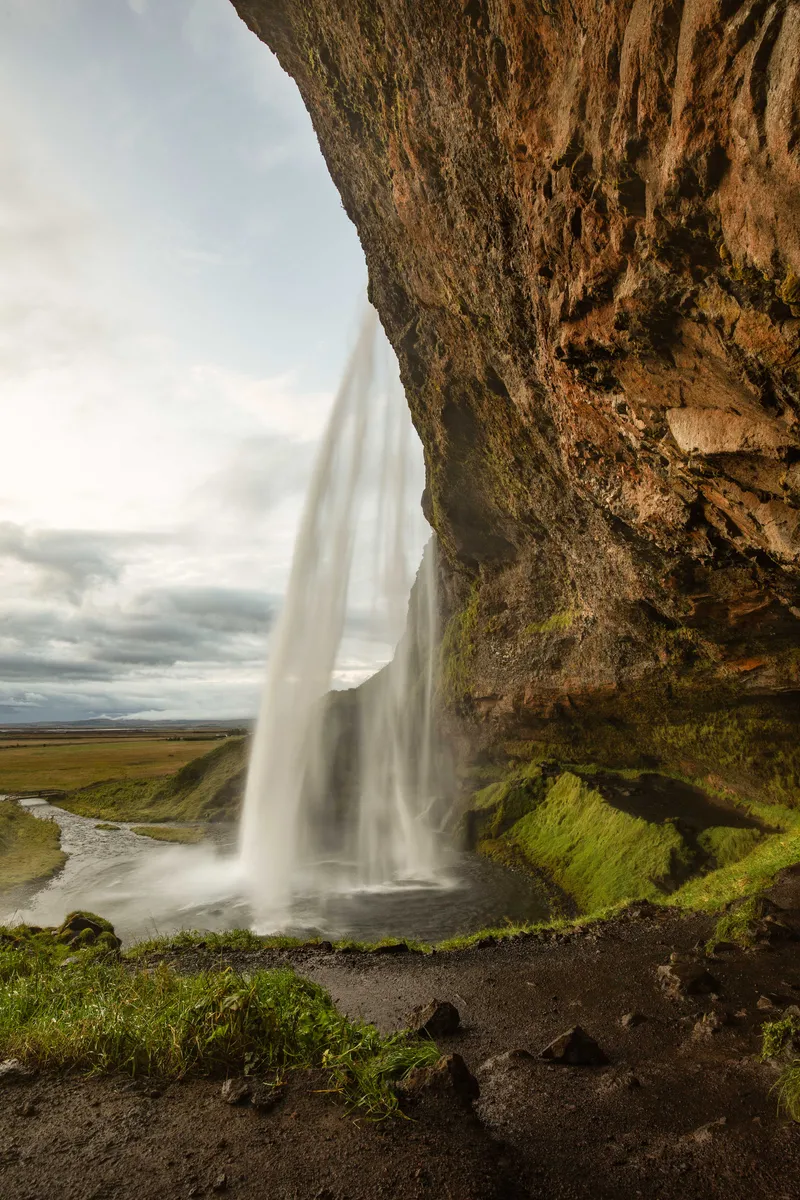
South Coast waterfall and cliffs in Iceland

Waterfalls and black sand

South Coast Iceland Day Trip Guide

Start reading

Water drops from tall cliffs, a glacier reaches into a dark valley, and Atlantic waves break against black sand. A South Coast day puts very different landscapes along one route.

From Reykjavík, this is a long out-and-back rather than a loop. Vík is a useful turning point; a glacier hike or an extended walk above Skógafoss changes how far east it makes sense to go.

Before you make plans

At a glance

Route shape
Out and back

Follow the south coast east, then return towards Reykjavík.

Sightseeing day
Plan 10–12 hours

A planning allowance; longer walks and conditions can extend it.

Far point
Vík

Keep the farther southeast for another day or an overnight.

Glacier choice
View or guided hike

Different visits, with different time and access requirements.

Understand the route

East to Vík, west to Reykjavík

Follow Route 1 east from Reykjavík beneath the southern glaciers, taking turn-offs to waterfalls and coast. Vík makes a sensible turning point. The wider South Coast continues much farther, into landscapes that belong to another day's journey.

A cave in a dark basalt cliff beside a broad black-sand beach and Atlantic surf
Black sand, a basalt cave and Atlantic surf on the South Coast.
West again after Vík
The return retraces Route 1. A waterfall can be saved for the way back, provided daylight and conditions still suit the visit.
10–12 hours from Reykjavík
For a Reykjavík departure, reserve roughly 10–12 hours for a waterfall-and-coast day as a planning allowance. Longer walks or delays can extend it. A glacier view adds a meaningful walk; an organised glacier hike needs its own block of several hours.
Farther east needs another day
Jökulsárlón and Skaftafell lie beyond this itinerary. An overnight changes what is practical; adding them to the Reykjavík out-and-back makes the day dominated by driving.

Waterfalls to Vík

The stops, from west to east

Seljalandsfoss comes first, followed by Skógar, the glacier turn-off and the coast around Vík. The times below allow for a visit on foot; they are our planning ranges, not driving times or a promise of access.

Seljalandsfoss seen from behind its falling water, with a rocky overhang and green fields beyond
The view from behind Seljalandsfoss when the path is open. Spray and slippery ground make waterproof layers and good footing useful.

A waterfall seen from different sides

Seljalandsfoss

Suggested visitAllow 45–60 minutes; add time for Gljúfrabúi.

The narrow fall drops from an old cliff line into a green setting. Its surrounding path changes your view from the open plain to the curtain of water, when the route behind the falls is open.

On foot
Start with the front view. The path behind is wet and uneven; take the loop only when it is open and suitable for your footing.
At this stop
Winter spray can freeze and falling ice is a hazard. Respect closures rather than treating the walk behind as an essential part of the visit.
Visitor information for Seljalandsfoss (opens in a new tab)
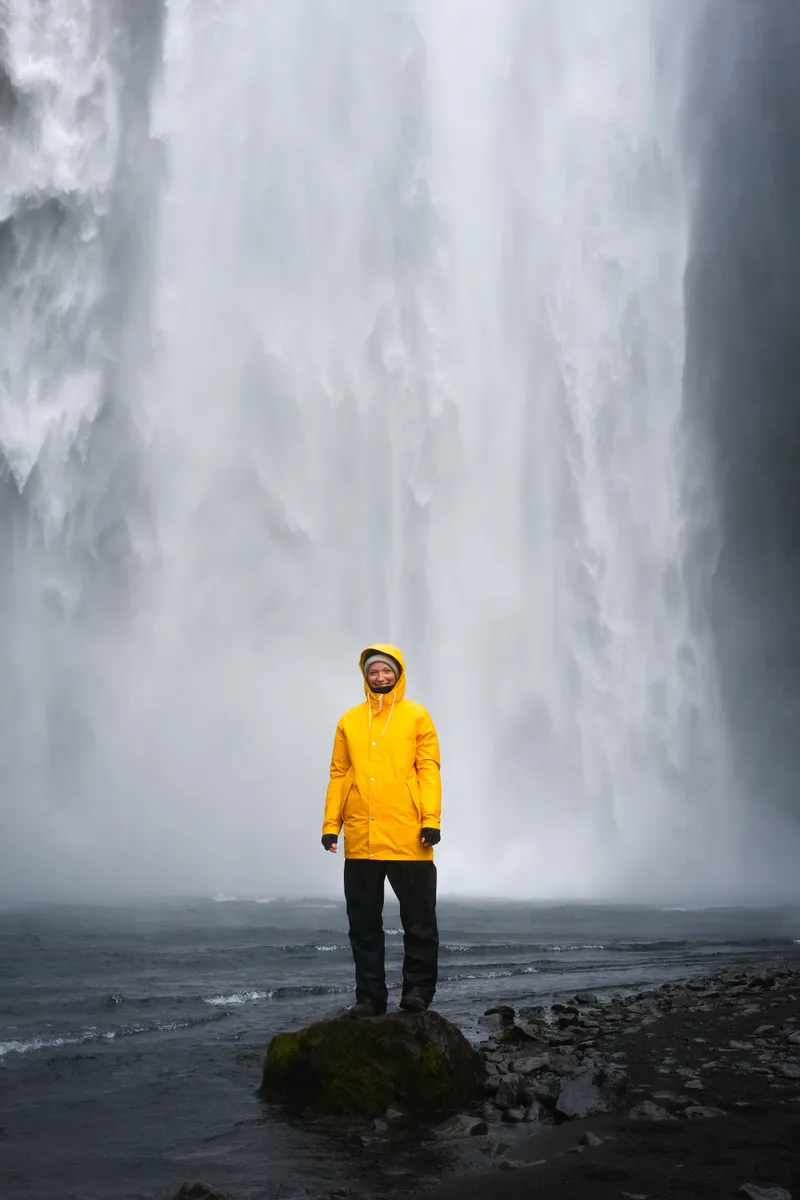
A visitor in a yellow waterproof jacket standing below the falling water at Skógafoss
The lower view at Skógafoss, with a visitor in a yellow waterproof jacket for scale.

A broad waterfall and an optional climb

Skógafoss

Suggested visitAllow 45–75 minutes, depending on the stairs.

Skógafoss fills its cliff face with a broad sheet of water. Spend some time looking from farther back: the river, falls and surrounding slopes read differently from the view close to the spray.

On foot
The base area and upper viewpoint are separate choices. The stairs are a climb; the trail continuing upstream is a longer walk that needs additional time.
At this stop
Choose your turnaround before continuing upriver. A glimpse of the first extra waterfall can easily become a longer hike than the rest of the day allows.
Visitor information for Skógafoss (opens in a new tab)
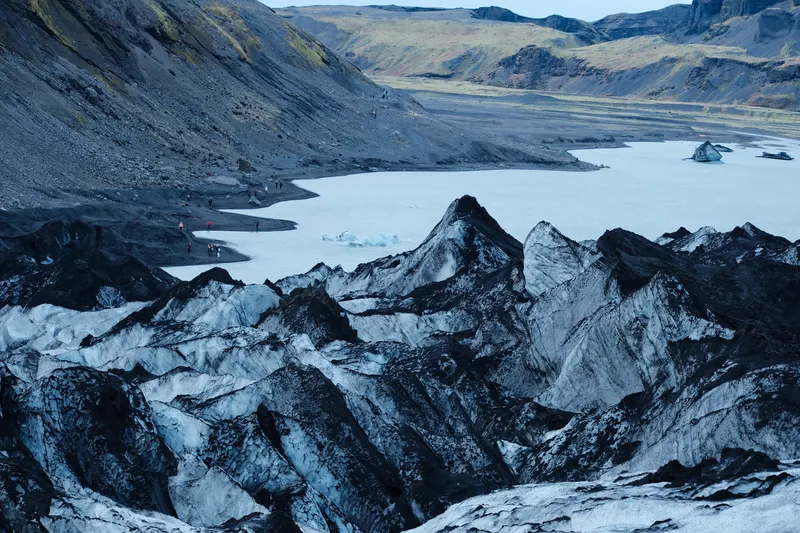
Ash-striped ice ridges above the meltwater lake at Sólheimajökull glacier
Ash-striped ice above the meltwater lake at Sólheimajökull.

A changing glacier landscape

Sólheimajökull

Suggested visitAllow 90–120 minutes for a permitted land-based visit.

This outlet of Mýrdalsjökull brings ice, dark sediment and meltwater into one view. Retreat has lengthened the approach from the parking area. Treat it as a walking stop, with time to return by the same permitted route.

On foot
Check SafeTravel and the signs before starting. Access changes; use only the currently permitted land route. A glacier hike is a separately booked guided activity.
At this stop
SafeTravel warns about unstable ice, lagoon edges and rockfall and recommends a knowledgeable local guide. Keep away from lagoons and ice formations; omit the stop if access is unsuitable.
Visitor information for Glacier view (opens in a new tab)
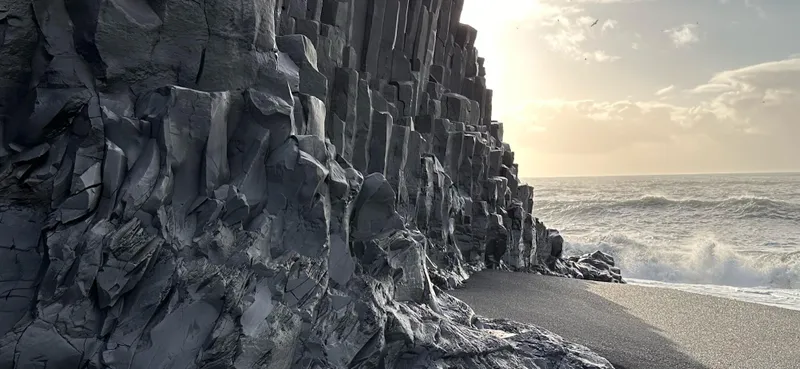
Basalt columns beside the black sand and breaking Atlantic waves at Reynisfjara
Reynisfjara's basalt shore. Read the warnings on arrival and keep your attention on the sea.

Basalt, sea stacks and Atlantic waves

Reynisfjara

Suggested visitAllow 30–45 minutes within the permitted viewing area.

Dark sand, basalt formations and Reynisdrangar offshore give this coast its striking shapes. Approach it as a place to observe from the area currently open to visitors. Access to the familiar photographic spots cannot be assumed.

On foot
Read the entrance signs, live warning lights and local instructions before proceeding. A designated viewpoint may be the full extent of your visit.
At this stop
Sneaker waves can run far beyond previous waves. Stay well back, keep children with an adult, watch the sea and avoid areas exposed to falling rock.
Visitor information for Black-sand coast (opens in a new tab)
The day has a return journey, too.Leave Vík with time and energy for the road back to your Reykjavík base.

A village pause before the return

Vík í Mýrdal

Suggested visitAllow 45–75 minutes for food and a short pause.

Vík sits on the eastern side of Reynisfjall, with the sea beyond and the glacier country inland. Use the village for a meal and a chance to recover from several exposed stops before deciding on the drive west.

On foot
Choose a short village walk or a nearby permitted viewpoint. Reynisfjara is a separate road stop on the other side of the mountain.
At this stop
Check food opening times and your return route. Vík's shoreline also faces the open Atlantic; it is not an alternative that removes the need for coastal caution.
Visitor information for Vík (opens in a new tab)

Off the main road

Gljúfrabúi, Skógar and Dyrhólaey

Gljúfrabúi pairs naturally with Seljalandsfoss; Kvernufoss and the museum sit near Skógar. Dyrhólaey adds a separate drive to a high coastal viewpoint. Each detour takes time away from the main route.

Another view of water

Gljúfrabúi

A nearby waterfall partly hidden within a narrow chasm. Its enclosed setting makes a natural pairing with Seljalandsfoss's open cliff face when you want more time in this area.

Add around 30–45 minutes as a planning allowance. The approach into the opening can be wet and awkward; enjoy the available view without forcing your way through water or a crowd.

Visit Gljúfrabúi (opens in a new tab)

A canyon walk near Skógar

Kvernufoss

A path from the Skógar Museum parking area leads into the small canyon east of Skógafoss. Choose it for time on foot, following the water into its setting.

Give the out-and-back visit about 45–60 minutes in your plan. Follow the marked route and current access instructions; check the parking arrangements where you leave the vehicle.

Visit Kvernufoss (opens in a new tab)

A high coastal viewpoint

Dyrhólaey

The protected headland offers a broader perspective on the coastline and its bird habitat. This is an exposed viewpoint stop, with a different scale from looking across the sand at Reynisfjara.

Reserve roughly an hour on site, plus the detour. Check access before driving up: bird protection can bring seasonal restrictions. Stay on paths, respect barriers and skip an exposed walk in unsuitable wind.

Visit Dyrhólaey (opens in a new tab)

People behind the landscape

Skógar Museum

Folk collections, historic buildings and exhibits about transport and communication explain how people lived and moved through this region. It gives the day's dramatic scenery a human setting.

Set aside 60–90 minutes as a starting allowance and check admission and opening times directly. Some of the museum is outdoors. Replace a longer walk with the visit rather than squeezing both into a short stop.

Visit Skógar Museum (opens in a new tab)
Visitors beneath Gljúfrabúi waterfall inside its narrow moss-covered rock opening
Gljúfrabúi falling inside its narrow rock opening near Seljalandsfoss.

Plan the day

Three workable versions of the day

A waterfalls-and-coast day reaches Vík. A shorter version turns at Skógar. A glacier hike uses a different timetable, built around the operator's check-in and activity duration.

Waterfalls to Vík

A full sightseeing day for suitable roads and enough useful daylight. Make the coast and the two main waterfall areas your priorities.

  1. Start with Seljalandsfoss

    Leave Reykjavík rested, with food and layers ready. Give the waterfall time; add Gljúfrabúi only if the rest of your plan has room.

  2. Choose your Skógar walk

    At Skógafoss, choose the base or upper viewpoint. Recheck timing here. A Sólheimajökull land-view visit takes a substantial additional block and replaces extras.

  3. Coast, then a village pause

    Visit the permitted area at Reynisfjara and continue to Vík for a meal. Follow access instructions even if they change the photographs you hoped to take.

  4. Return with a break

    Review the road and weather before heading west. Build in a rest stop and keep the evening free of another fixed booking.

You see the main contrast between waterfalls and coast. Longer hikes, a glacier activity and several extra viewpoints belong to a different version of the day.

A waterfall-focused day

A shorter reach for limited daylight, a slower walking pace or more time in one area. Turn back around Skógar.

  1. Give the first waterfall room

    Visit Seljalandsfoss and choose whether Gljúfrabúi adds something you want. Take time to change a wet layer before driving on.

  2. Stay longer at Skógafoss

    Enjoy the base view and, if conditions suit, climb the stairs. There is no need to hurry east to preserve a beach slot.

  3. Choose history or another walk

    Have lunch and select either Skógar Museum or Kvernufoss if time and access allow. Leave both out if the day needs shortening further.

  4. Head west while fresh

    Use the remaining margin for a relaxed return and a break. If road warnings affect the corridor, postponing is preferable to relying on a shorter itinerary.

You leave out Vík and Reynisfjara in exchange for less distance and more time at the waterfalls. A shorter route still requires suitable travel conditions.

Make the glacier the main event

Plan around a confirmed guided Sólheimajökull activity. Its check-in, approach, equipment fitting and return replace a large part of the sightseeing schedule.

  1. Work back from check-in

    Confirm the meeting point and full duration with the operator. Allow for the access road and arrival instructions, rather than using time on the ice as the total.

  2. Meet your glacier guide

    Bring the required clothing and footwear. Expect a several-hour commitment; access and activity plans can change as the glacier and surrounding terrain change.

  3. Eat, then choose one waterfall

    After the activity, pause for food and reassess energy. Pick Skógafoss or Seljalandsfoss on the way west, subject to daylight and conditions.

  4. Keep the return straightforward

    Leave the beach, Vík and further extras for another day. If the activity is cancelled, use the simpler waterfall plan only when the travel conditions support it.

You exchange the full coast circuit for time exploring ice with a specialist. Confirm whether transport is included; a meeting-point activity may require your own drive.

The dark-clad Black Beach Restaurant building beside a snow-dusted path near Reynisfjara
The Black Beach Restaurant near Reynisfjara on a snowy day.

Daylight along the coast

Summer

Long light, green slopes and more scope to linger outside.

Daylight gives more scheduling room, but it does not lengthen your concentration on the return drive.

Choose one extra walk. Keep a planned meal and return time even when the evening still looks like afternoon.

Spring & autumn

Changing light, mixed conditions and a route that rewards flexibility.

Check the actual date: available daylight changes substantially across these months.

Give priority walks the useful light. Ice and winter driving conditions can occur outside winter, so keep a shorter version ready.

Winter

Low light, icy spray and more consequential weather decisions.

The daylight window is short; the drive out and back can occupy part of the dark hours.

Reduce the stop list before leaving. A waterfall-focused day can work better than pushing east with every stop squeezed between dawn and dusk.

Before you go

Waves, spray and the drive home

The sea, waterfall spray and exposed stretches of road deserve separate attention. Look at conditions along the whole corridor, including the evening return.

Seljalandsfoss falling into a pool surrounded by snowy slopes and icy cliffs
Seljalandsfoss in winter. The waterfall remains a sight to enjoy when an icy walking path has to be left out.

Read the beach's instructions in full

SafeTravel uses yellow, orange and red warning levels; red closes the beach while the designated viewing area may remain available. Access can also be restricted below red. Follow the current notice, signs and staff directions together. A dry patch of sand or a lull between waves does not establish a safe place to stand.

Check the whole driving window

Use the Icelandic Met Office forecast and warnings alongside Umferðin's live road information before departure and before the return. Look at wind and visibility along the route, not just a weather icon for Reykjavík. A navigation app's arrival time does not account reliably for closures or unsuitable conditions.

Dress for spray as well as rain

Bring waterproof outer layers, warm insulation, a hat, gloves and footwear with grip. Keep a spare dry layer and socks in the vehicle. Protect camera equipment from spray, and put it away when you need both hands or your full attention on uneven ground.

Make room for ordinary logistics

Carry water and a snack, choose a meal stop and check any essential opening times. Read parking payment instructions at each site rather than assuming one fee covers the route. Use designated parking for photographs and leave the driver enough rest before the journey home.

Transport

Tour or self-drive?

The long return drive is the main practical difference between taking a tour and driving yourself. A glacier activity also needs its own booking unless it is explicitly included.

Private guided day

Useful when your group wants to discuss walking pace, priorities and breaks with one guide.

Agree the main focus beforehand, then let the guide adjust the order and stop lengths within the booked day and current conditions.

Confirm pickup, total duration, meals, parking and any specialist activities. A private sightseeing tour does not automatically include a glacier hike.

Shared guided tour

Useful when you want transport and an organised route without taking responsibility for the driving.

The itinerary and stop lengths serve the whole group. Choose a departure whose published walking and return arrangements suit you.

Read which stops are included, whether food is provided, and the pickup and cancellation terms. Similar South Coast tour names can describe different days.

Drive yourself

Useful when a rested, confident driver wants to decide the pace and choose stops independently.

You manage the route, parking, meals and decisions to shorten or postpone. Build the return into the plan from the beginning.

Check road status, forecast, rental terms and the vehicle's suitability for current conditions. Book glacier activities separately and confirm their meeting instructions.

Good to know

Common questions

Can I visit the South Coast in one day from Reykjavík?

Yes, with a realistic route and suitable conditions. Reserve roughly 10–12 hours for a waterfall-and-coast sightseeing day as a planning allowance. Longer walks, meals and delays can extend that. Vík is a sensible turning point; adding Jökulsárlón or a second sightseeing region needs a different plan.

Can I walk behind Seljalandsfoss in winter?

Only use the path when it is open and conditions are suitable. Ice can make the route slippery, and falling ice is a separate hazard. Respect closures and enjoy the front view when the loop is unavailable. Walking behind the falls is an optional part of the visit.

Do the warning lights mean Reynisfjara is safe to enter?

Read the lights together with current notices, barriers and staff instructions. SafeTravel describes yellow, orange and red hazard levels; red closes the beach, and additional restrictions can apply below red. Access may be limited to the designated viewpoint. Calm intervals or dry sand do not remove the sneaker-wave hazard.

Is a Sólheimajökull viewpoint stop the same as a glacier hike?

No. A land-based visit follows the currently permitted approach and needs time to walk out and back. A glacier hike is a booked activity with a specialist guide, equipment and its own full duration. Check SafeTravel's current access advice; the glacier edge, lagoons and slopes can be hazardous.

Can I combine a glacier hike with all the main stops?

Build the day around the operator's full check-in and activity time, then reduce the sightseeing. Our glacier plan keeps room for a meal and one waterfall on the return, leaving the beach and Vík for another day. Staying overnight in the region gives you more room for both experiences.

Should I choose the South Coast or the Golden Circle first?

Choose the South Coast when waterfalls, glacial landscapes and the Atlantic coast are your main interests and you are comfortable with a long outing. The Golden Circle is a more compact introduction to geological and historical sites. Pick one route for the day, then adjust it to the forecast.

Waterfalls, black sand, and realistic timing

Explore a South Coast day with realistic time for waterfalls and coast

View South Coast Wonders
Happy group of hikers outside Alftavatn Hut in Iceland with Norse Adventures

Newsletter

Join our community

New departures, field notes from Iceland, and practical planning ideas from the Norse Adventures team.