
A tub of skyr in a grocery basket, fish soup at lunch and a slice of dense rye bread beside dinner can tell you more about eating in Iceland than a dare to try fermented shark. The most useful way in is through foods people return to: fish, lamb, dairy and bread, alongside vegetables grown here and dishes brought from elsewhere.
You need no elaborate tasting menu to get a feel for it. Start with an ordinary meal, learn a few Icelandic names, and leave room for a chef's interpretation when one catches your eye.
From sea and pasture
Fish and lamb are foundations, not a fixed menu
Fish is central to Iceland's food history and still turns up in many forms. A fish of the day lets a kitchen work with what it has; plokkfiskur is a homelier choice, flaked fish in a creamy sauce, commonly served with rye bread. Harðfiskur, air-dried fish usually made from cod or haddock, is a snack rather than a restaurant course. It is often eaten with butter.
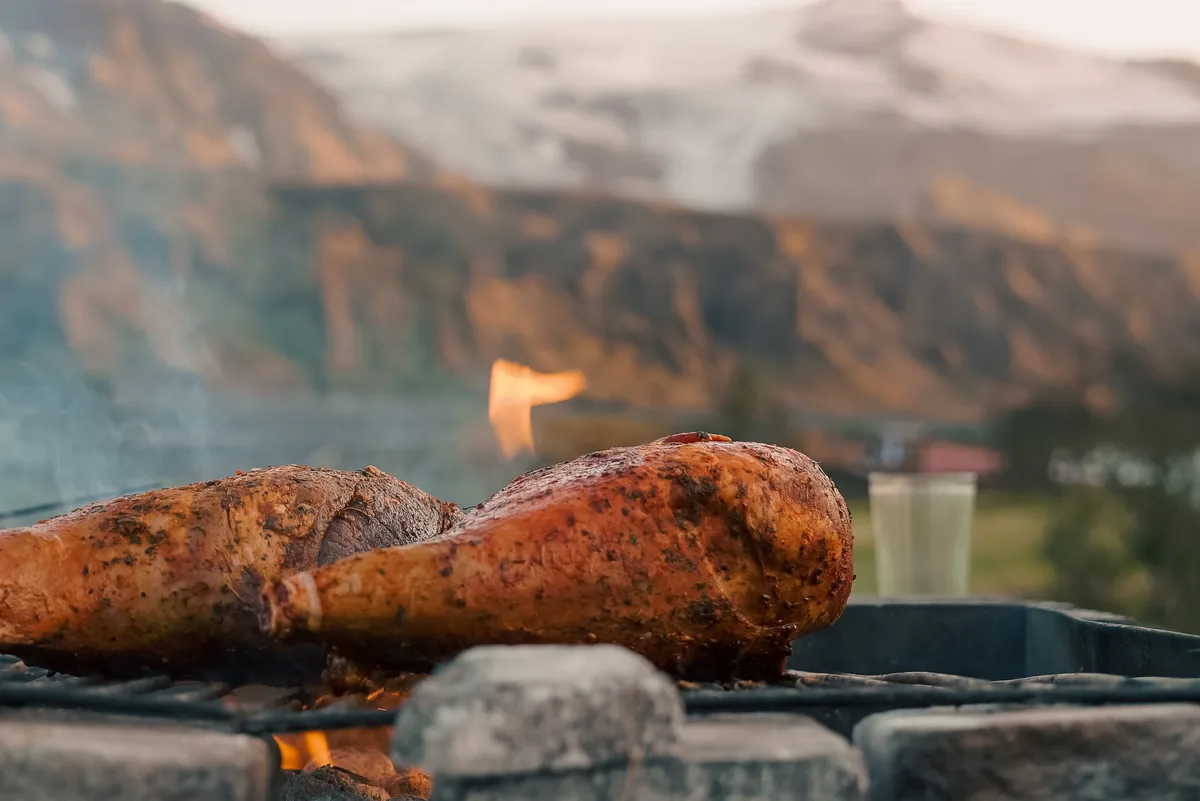
Lamb has a similarly broad range. Kjötsúpa is a warming soup with lamb and vegetables; a roast is a family-table classic, while hangikjöt is smoked lamb eaten especially at Christmas. You may see refined lamb dishes on a restaurant menu, but these are interpretations of a familiar ingredient, not a complete picture of how everyone eats at home.
If you want a simple first taste, choose a fish dish or lamb soup that sounds good to you. There is no required list to finish and no single preparation that stands for the whole country.
Breakfast and bread
Skyr, rúgbrauð and flatkaka travel well
Skyr is a cultured dairy food with a thick texture and tangy taste. Look for it among the chilled foods, in plain or flavored versions; it works as a quick breakfast or an afternoon snack. It is made from milk, so its yogurt-like appearance does not make it suitable for someone avoiding dairy.
Rúgbrauð is a dark, moist, gently sweet rye loaf. Some is slow-baked with geothermal heat, but the bread itself does not have to come from a geothermal pit. Flatkaka (or flatkökur in the plural) is a thin, round flatbread that makes an easy base for cheese or smoked lamb. Try these at a bakery or grocery shop as well as at restaurants; they are foods you can fit into a normal travel day.
Place and season
What local means changes with the ingredient
Iceland's sea and sheep farms shape the table, but so do greenhouses. Geothermal heat and other energy sources allow vegetables and herbs to be grown locally beyond the short outdoor growing season. In a shop, the label ‘íslenskt grænmeti’ identifies Icelandic vegetables. Summer and early autumn can also bring berries; wild bilberries are a seasonal pleasure rather than a dependable year-round menu item.
A restaurant may put Icelandic fish or lamb beside vegetables and seasonings from different places. That mix is part of contemporary eating here. If provenance matters to you, ask which part of a dish is Icelandic or look for the origin on a grocery label; ‘local’ on a menu need not mean every ingredient grew nearby. Seasonal menus and opening hours can change, especially away from larger towns.
A travel-day rhythm
Plan one good meal, then keep the rest flexible
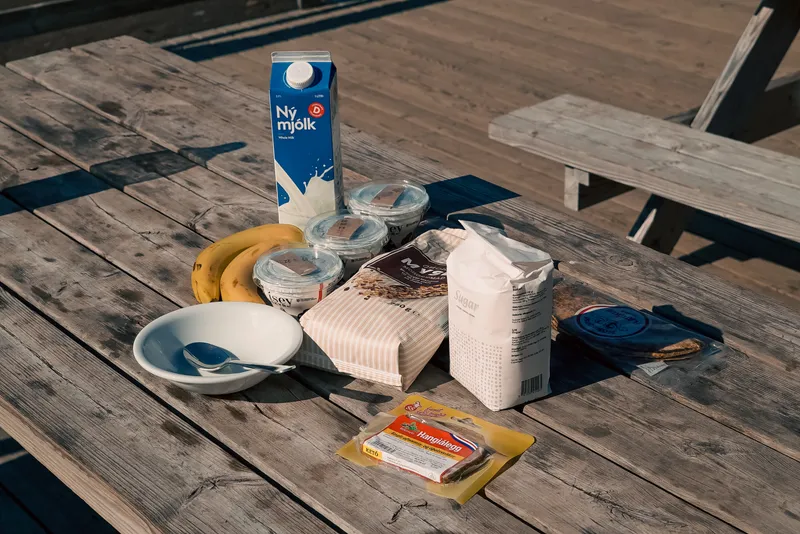
A satisfying day does not need three restaurant reservations. Pick up skyr, bread, cheese, fruit or vegetables for breakfast and the drive; stop for a soup or fish lunch; then choose between a restaurant and cooking at your accommodation. A pylsa (hot dog) is another familiar quick option, though its sausage can contain more than one kind of meat. Icelandic tap water is drinkable, so a refillable bottle is useful on the road.
If you are driving between small towns, check the next grocery shop and dinner option before you leave a service centre. A place that appears on a map may have limited hours or a menu that changes with the season. Accommodation with a kitchen gives you another option; a small food supply makes a delayed drive less likely to decide dinner for you.
- For an easy grocery breakfast: skyr or another suitable dairy alternative, bread and fruit.
- For a casual lunch: look for soup, fish of the day or a café's daily offering.
- For a remote overnight: confirm where you can eat or shop, then carry a meal that suits your needs.
Eating with care
Vegetarian, vegan and allergy needs take a little planning
Icelandic restaurants are not limited to fish and lamb. Vegetarian and vegan dishes are increasingly part of the food scene, and international cuisines add more choice. Still, a rural café may have fewer options than a city restaurant, so look at the current menu before making a long detour. A supermarket and a place to cook can make an itinerary more comfortable if your choices are narrow.
For allergies, check the actual ingredients rather than judging by the name of a dish: skyr contains milk, rye bread contains gluten, and fish stew may contain both fish and dairy. Iceland's food authority says major allergens must be identified in packaged food and that sellers must provide allergen information for unpackaged food, although they may give it orally. Tell the restaurant or shop what you must avoid and ask about ingredients and preparation before ordering, especially if cross-contact is a concern.
Tradition in perspective
Fermented shark is a story, not the daily diet
Hákarl, fermented shark, and sheep's head often dominate lists of ‘strange Icelandic foods’. They belong to a history of preserving and using what was available, but you do not need to eat either to understand food here. Hákarl is a traditional specialty, not a typical everyday meal; fish dishes, lamb soup, breads and skyr are much easier to weave into a trip.
Tradition also follows the calendar. Hangikjöt and fermented skate are associated with Christmas, and a celebratory roast has a different role from a quick weekday lunch. Restaurant menus may feature old ingredients in imaginative ways, alongside cuisines from around the world. That variety is more revealing than a single ‘authentic’ plate.
Good to know
Common questions
What Icelandic food should I try first?
Choose something that fits the meal you already want: fish of the day or plokkfiskur for a substantial meal, kjötsúpa for a warming lunch, and skyr or rye bread from a grocery shop for a simpler taste. You do not need a specialty tasting menu to start.
Is Icelandic food mostly fermented shark?
No. Hákarl is a traditional preserved food but not a typical everyday meal. Fish, lamb, dairy, bread, vegetables and international dishes give a far better picture of what you can eat in Iceland today.
Can vegetarians and vegans eat well in Iceland?
Yes, many menus include meat-free choices, especially in larger towns, but selection varies by place and season. Check rural menus in advance and use grocery shops or accommodation kitchens when you want more control over meals. Skyr is dairy, not vegan.
How should I handle a food allergy when eating out?
Check packaged-food labels and ask staff about unpackaged or restaurant food; allergen information may be provided orally. Explain the ingredient and any cross-contact risk you need to avoid. Do not assume a familiar-sounding dish uses the same recipe everywhere.
Keep exploring